Author: admin

  • Plant Electrical Engineering: Key Practices for EPC Projects

    Plant Electrical Engineering: Key Practices for EPC Projects

    By EPC Partners Inc. Engineering Team

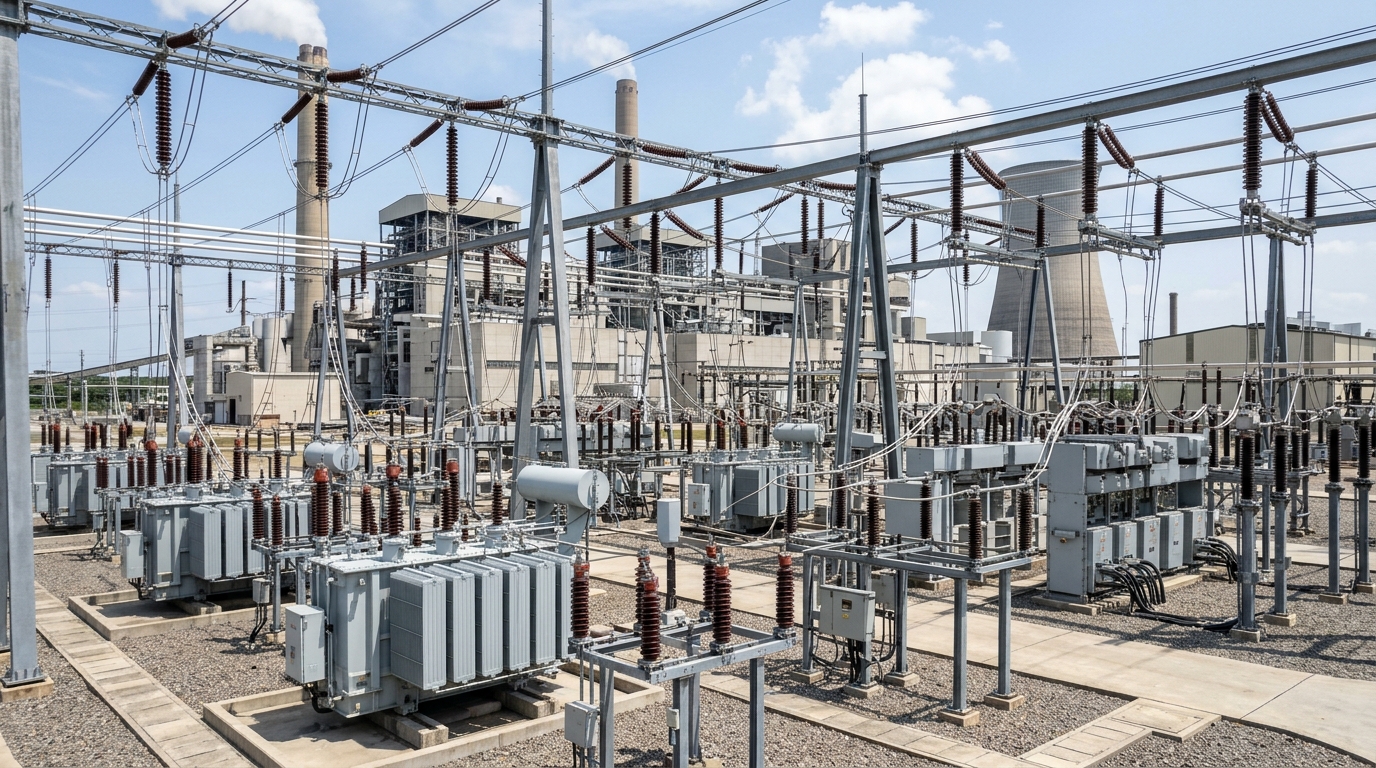
    Electrical engineering is the nervous system of an industrial plant. It powers the motors that drive equipment, controls the instruments that monitor the process, provides lighting for safe operation, and ensures that safety systems function when needed. Without reliable electrical systems, the plant cannot operate, and without safe electrical systems, it cannot operate safely.

    At EPC Partners Inc., electrical engineering has been a core part of our work across a wide range of plant projects, from geothermal power plants in Kenya, Indonesia, and Iceland to thermal power plants in Vietnam and Bangladesh, and from large-scale desalination facilities in the UAE and Saudi Arabia to high-voltage transmission projects in Qatar. Our electrical engineering work has ranged from generator and switchgear design for 83 MW geothermal units to high-voltage transmission systems for 220 kV cable circuits in Qatar. Each project has presented different electrical challenges, and each has reinforced the same lesson: electrical engineering is not just about providing power. It is about designing systems that are reliable, safe, and maintainable over decades.

    This article covers the key practices in plant electrical engineering, drawing on our experience supporting projects across Asia, the Middle East, Africa, and Europe.

    What Is Plant Electrical Engineering?

    Plant electrical engineering is the discipline of designing, specifying, and constructing the electrical systems required for an industrial plant.

    It includes:

    • Power generation: Generators, excitation systems, and generator switchgear.
    • Power distribution: Transformers, switchgear, cables, and busbars.
    • Motor control: Motor control centers, variable frequency drives, and protection.
    • Instrumentation and control: Power supplies, signal wiring, and control panels.
    • Lighting: General, task, emergency, and outdoor lighting.
    • Earthing and lightning protection: Earthing systems and lightning protection.
    • Emergency power: Generators, UPS, and battery systems.

    Electrical engineering provides the power and control infrastructure that supports all other disciplines.

    Why Electrical Engineering Matters

    Electrical engineering directly affects plant performance.

    Factor Impact of Good Electrical Engineering Impact of Poor Electrical Engineering
    Reliability Power available when needed Outages and production losses
    Safety Electrical hazards controlled Electrical incidents and injuries
    Performance Equipment operates at design conditions Equipment underperforms or fails
    Cost Optimized capital and operating costs Higher costs from inefficiency and failures
    Compliance Meets codes, standards, and grid requirements Non-compliance and legal issues
    Maintainability Systems accessible for maintenance Difficult and costly maintenance

    For small to medium-scale industrial plants, electrical engineering determines whether the plant can operate reliably and safely.

    Design Basis and Load List

    Good electrical engineering starts before any equipment is selected. The design basis defines what the electrical system must do, and the load list quantifies it.

    The design basis should record:

    • Applicable codes and standards (for example IEC, IEEE, or local national codes) and the owner’s specifications.
    • Grid connection requirements and utility interface conditions.
    • Site conditions: ambient temperature, altitude, humidity, corrosive or marine atmosphere, and seismic conditions.
    • Voltage levels, frequency, and system earthing philosophy.
    • Reliability and redundancy requirements.
    • Hazardous area classification, where flammable gases or dusts are present.

    The load list should identify every electrical load, its rating, duty (continuous, intermittent, or standby), and whether it is essential or non-essential. It drives transformer, switchgear, cable, and generator sizing, so it should be updated as equipment data is confirmed by vendors.

    Power Generation

    Power generation is the source of electrical energy for the plant.

    Power supply types:

    • Grid supply: Power from the local utility grid.
    • On-site generation: Power from generators driven by turbines or engines.
    • Combined supply: Both grid and on-site generation.

    Key considerations:

    • Reliability: How reliable is the power source?
    • Capacity: Is there enough capacity for the plant?
    • Voltage: What voltage is supplied?
    • Power quality: Are there harmonics, sags, or surges?
    • Grid code compliance: Does the plant meet requirements for fault ride-through, reactive power, and frequency response?
    • Cost: What is the cost of power?

    At our geothermal projects in Kenya (Olkaria I Unit 6, 83 MW) and Indonesia (Muara Laboh, 85.2 MW), the generators were designed to match the steam turbine output and to meet grid requirements. In Iceland (Theistareykir, 2×45 MW), the electrical systems were designed for the specific grid conditions and environmental requirements of the site.

    Power Distribution

    Power distribution delivers electricity from the source to the equipment.
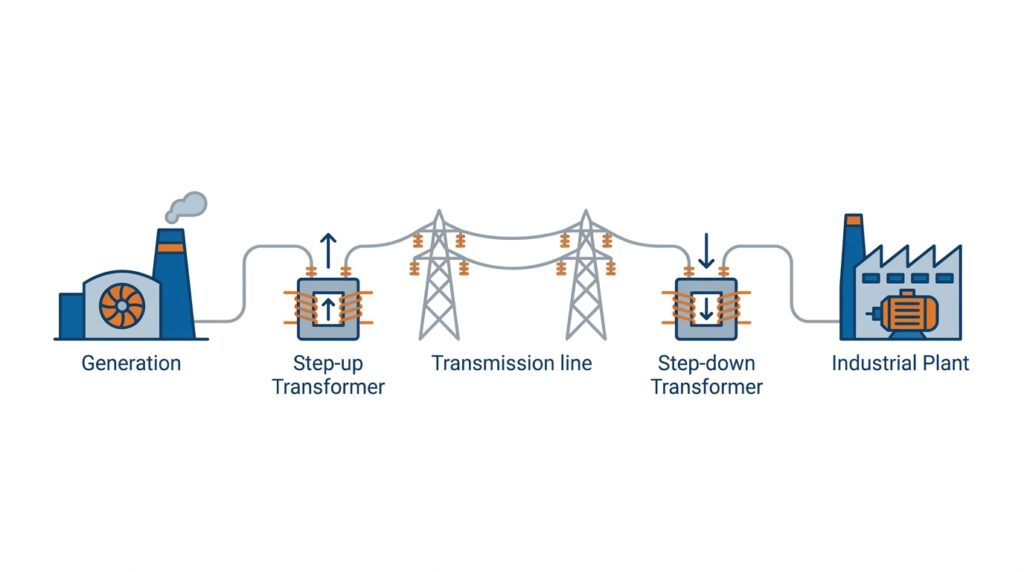
    Power distribution system in an industrial plant

    Component Description Examples
    Transformers Change voltage levels Step-up, step-down, auxiliary
    Switchgear Control and protect circuits Circuit breakers, disconnectors
    Cables Convey power Power cables, control cables
    Busbars Distribute power Main busbars, distribution busbars

    Key considerations:

    • Voltage levels: What voltages are required?
    • Configuration: Radial, ring, or network?
    • Protection: How are circuits protected?
    • Redundancy: Is redundancy required?
    • Earthing: How is the system earthed?
    • Cable sizing and routing: Are cables sized for current, voltage drop, and short-circuit withstand, and routed with proper segregation?

    For thermal power projects in Vietnam (Thai Binh 1, 2×300 MW) and Bangladesh (Bibiyana-III, 400 MW CCGT), the electrical systems included step-up transformers to connect to the grid, auxiliary transformers to supply plant loads, and switchgear to protect and control the distribution system.

    Project example: At one thermal power project in Vietnam, the step-up transformer was designed to connect the 300 MW unit to the 220 kV grid, while auxiliary transformers supplied power to the plant’s own loads. The protection and control systems were designed to isolate faults quickly and maintain stability during grid disturbances.

    Electrical Studies

    Calculations and studies turn the design basis into a design that can be trusted. The main studies are:

    Study Purpose
    Load flow Confirms voltage profiles and loading under normal and contingency conditions
    Short-circuit Determines fault levels for equipment ratings and protection settings
    Protection coordination Ensures faults are isolated by the nearest protective device without unnecessary trips
    Motor starting Checks voltage dip and starting current for large motors
    Harmonic analysis Assesses power quality where VFDs and other non-linear loads are used
    Transient and stability Confirms stability during grid disturbances, particularly for generating plants
    Arc flash Identifies incident energy levels to support safe working practices
    Earthing Verifies step and touch voltages and earthing grid design

    These studies should be done early enough to influence equipment specifications, and updated as the design matures.

    Motor Control

    Motors are the largest electrical loads in most industrial plants.

    Motor control components:

    • Motor control centers (MCCs): Centralized control and protection for motors.
    • Variable frequency drives (VFDs): Control motor speed and torque.
    • Soft starters: Reduce starting current.
    • Protection relays: Protect motors from overload, short circuit, and other faults.

    Key considerations:

    • Starting method: Direct-on-line, star-delta, soft starter, or VFD?
    • Protection: What protection is required?
    • Control: Local or remote control?
    • Efficiency: Are motors high-efficiency?
    • Power quality: Do drives introduce harmonics that must be mitigated?

    For desalination projects in the Gulf (Taweelah, 909,200 m³/day; Jubail 3A, 600,000 m³/day), high-voltage motors and VFDs were used for high-pressure pumps, with careful attention to starting current, power quality, and energy efficiency.

    Project example: On the large Gulf desalination projects, the high-pressure pump motors were among the biggest loads on the electrical system. Their starting method, drive selection, and effect on power quality were considered together, so that the pumps could start and run reliably without disturbing the rest of the plant.

    Instrumentation and Control

    Instrumentation and control systems monitor and control the process. From the electrical side, the focus is on reliable power supplies, correct signal wiring, and clean integration with the control system.

    Component Description Examples
    Sensors Measure process variables Temperature, pressure, flow, level
    Transmitters Convert sensor signals 4–20 mA, digital
    Control systems Monitor and control the process PLC, DCS, SCADA
    Final elements Act on the process Valves, motors, dampers

    Key considerations:

    • Signal types: Analog, digital, or fieldbus?
    • Redundancy: Is redundancy required for critical loops?
    • Power supplies: Are control systems fed from reliable, backed-up supplies?
    • Segregation: Are signal and power cables separated to avoid interference?
    • Cybersecurity: Are control systems protected?
    • Integration: Do systems integrate with other plant systems, including protection relays and the electrical SCADA?

    Lighting

    Lighting is essential for safe operation and maintenance.

    Lighting types:

    • General lighting: Illuminates work areas.
    • Task lighting: Provides focused light for specific tasks.
    • Emergency lighting: Provides illumination during power failures.
    • Outdoor lighting: Illuminates access roads, storage areas, and perimeters.

    Key considerations:

    • Illumination levels: What lighting levels are required?
    • Energy efficiency: Are LED lights used?
    • Emergency lighting: Is emergency lighting powered by a backup supply?
    • Hazardous areas: Are fixtures suitable for the area classification?
    • Maintenance access: Are fixtures accessible for maintenance?

    Earthing and Lightning Protection

    Earthing and lightning protection protect people and equipment.

    Components:

    • Earthing electrodes: Ground rods, plates, and grids.
    • Earthing conductors: Cables and bars connecting equipment to earth.
    • Lightning protection: Air terminals, down conductors, and earthing.
    • Bonding: Connecting metallic structures to the earthing system.

    Key considerations:

    • Soil conditions: What is the soil resistivity?
    • Earthing resistance: Is the earthing resistance adequate, and are step and touch voltages within safe limits?
    • Lightning risk: What is the lightning risk?
    • Bonding: Are all metallic structures bonded?
    • Corrosion: Are earthing materials suitable for the soil and atmosphere, particularly in coastal or geothermal environments?

    Emergency Power

    Emergency power provides backup power for critical systems.

    Emergency power sources:

    • Diesel generators: For extended outages.
    • Battery systems: For short outages.
    • UPS systems: For sensitive equipment.
    • Emergency lighting: For evacuation.

    Key considerations:

    • Critical loads: Which loads require backup power?
    • Duration: How long must backup power last?
    • Startup time: How quickly must backup power come online?
    • Testing: Are emergency systems tested regularly?

    Interfaces with Other Disciplines

    Electrical engineering depends on information from, and provides information to, nearly every other discipline.

    Discipline Key Interface
    Mechanical Motor ratings, starting duty, equipment power requirements
    Civil Cable trenches, equipment foundations, substation and electrical room buildings
    Process / Instrumentation Load data, interlocks, signal and control requirements
    Piping Routing clearances, heat tracing, and cable and pipe rack sharing
    Safety / Fire protection Fire detection power supplies, emergency shutdown, fire-rated cable routes

    These interfaces should be tracked in an interface register and reviewed regularly. Late changes to motor ratings or equipment locations are a common cause of rework.

    Testing, Commissioning, and Energization

    Electrical systems are tested in stages before the plant starts up:

    • Factory acceptance testing (FAT): Verifies transformers, switchgear, MCCs, and control panels before shipment.
    • Site inspection and pre-commissioning checks: Cable insulation resistance tests, earthing resistance measurements, and protection relay testing.
    • Energization: Planned, step-by-step energization of the substation, transformers, and distribution, with clear safety procedures and permit controls.
    • Functional and integrated testing: Verification of interlocks, changeover schemes, and emergency power operation.
    • Handover documentation: As-built drawings, test records, relay settings, and operation and maintenance manuals.

    Electrical Engineering in Small Plants

    Small plants face particular challenges with electrical engineering.

    Challenges:

    • Fewer resources for electrical engineering.
    • Less in-house expertise.
    • Less access to vendor information.
    • Competing priorities.

    Practical approaches:

    • Focus on proven equipment: Reduce risk by using proven equipment.
    • Use vendor information: Leverage vendor data and references.
    • Seek expert advice: Get advice from consultants or experienced colleagues.
    • Visit operating plants: See equipment in operation.
    • Involve operations and maintenance: Use the experience of the people who will run the plant.
    • Document decisions: Record the basis for decisions.
    • Consider lifecycle cost: Look beyond capital cost.

    Electrical engineering does not need to be complex. It needs to be thorough and practical.

    Common Mistakes in Electrical Engineering

    Even experienced organizations make mistakes. Common ones include:

    • Undersizing equipment: Insufficient capacity for actual loads.
    • Ignoring voltage drop: Causing poor motor performance.
    • Poor protection coordination: Leading to unnecessary trips or failure to isolate faults.
    • Inadequate earthing: Creating safety hazards.
    • No spare capacity: Requiring costly upgrades for future expansion.
    • Insufficient segregation: Causing electrical noise and interference.
    • Skipping electrical studies: Relying on rules of thumb instead of load flow, short-circuit, and coordination studies.
    • Ignoring cybersecurity: Control systems exposed to network threats.
    • Late interface changes: Motor ratings and equipment locations changing after the design is frozen.
    • No documentation: Not recording the basis for decisions.

    These mistakes are costly to correct. They are much cheaper to avoid through disciplined electrical engineering.

    How EPC Partners Inc. Approaches Electrical Engineering

    At EPC Partners Inc., we bring practical experience from projects across Asia, the Middle East, Africa, and Europe to electrical engineering.

    Our approach includes:

    • Clear design basis: Requirements, standards, and grid conditions are defined before design begins.
    • Study-based design: Load flow, short-circuit, and protection studies support equipment selection and settings.
    • Proven technology: Proven equipment is preferred over unproven.
    • Integration focus: Electrical systems are evaluated for how well they integrate with other systems.
    • Operations and maintenance input: The people who will run the plant are involved in decisions.
    • Vendor evaluation: Vendors are evaluated for experience, support, and spare parts availability.
    • Detailed documentation: The electrical design and selection process is documented.
    • Long-term focus: Equipment is selected for long-term reliability.

    Our experience includes supporting geothermal projects in Kenya, Ethiopia, Indonesia, Iceland, and Japan; desalination projects in the UAE, Saudi Arabia, Oman, and Qatar; thermal power projects in Vietnam, Bangladesh, and Japan; water treatment projects in Vietnam, Kuwait, and Qatar; and transmission projects in Qatar.

    We have also supported clients including Marubeni Corporation, Fuji Electric Co., Ltd., and Toyota Tsusho Corporation on electrical engineering aspects of their projects.

    How to Evaluate Electrical Engineering Readiness

    When reviewing electrical engineering, ask:

    Question Why It Matters
    Are requirements and design basis clearly defined? Defines what the electrical system must do
    Is power generation adequate? Ensures reliable power supply
    Is power distribution designed? Ensures power reaches equipment
    Have the key electrical studies been completed? Confirms ratings, protection, and stability
    Is motor control designed? Ensures motors start and run reliably
    Is instrumentation and control designed? Ensures process can be monitored and controlled
    Is earthing and lightning protection designed? Ensures safety
    Is emergency power designed? Ensures critical systems have backup power
    Are interfaces with other disciplines managed? Prevents rework and clashes
    Is the testing and commissioning plan defined? Ensures safe energization and startup
    Is the design documented? Ensures transparency

    A plant that addresses these questions is ready for sound electrical engineering.

    Conclusion

    Electrical engineering is the nervous system of every industrial plant. For small to medium-scale industrial plants, it determines whether the plant can operate reliably and safely.

    By focusing on a clear design basis, power generation, power distribution, electrical studies, motor control, instrumentation and control, lighting, earthing, lightning protection, emergency power, and disciplined testing and commissioning, owners and project teams can ensure that the electrical systems support the plant throughout its life.

    If you are planning a plant project and need support with electrical engineering or EPC project delivery, contact us to discuss how we can help.

    EPC Partners Inc. is a Japanese EPC support firm with experience supporting power, water, and industrial plant projects across Asia, the Middle East, Africa, and Europe. For more information, visit our project list.
  • Plant Mechanical Engineering: Key Practices for EPC Projects

    Plant Mechanical Engineering: Key Practices for EPC Projects

    By EPC Partners Inc. Engineering Team

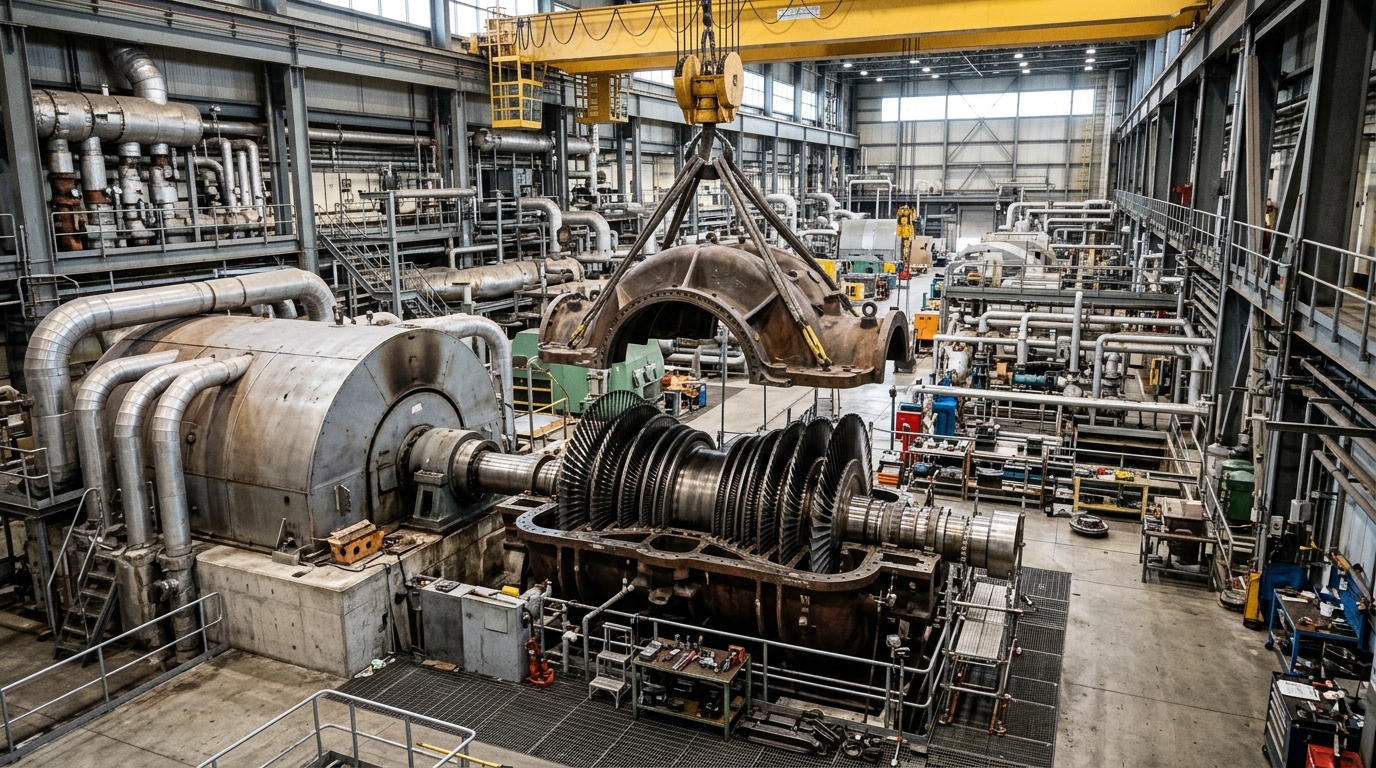
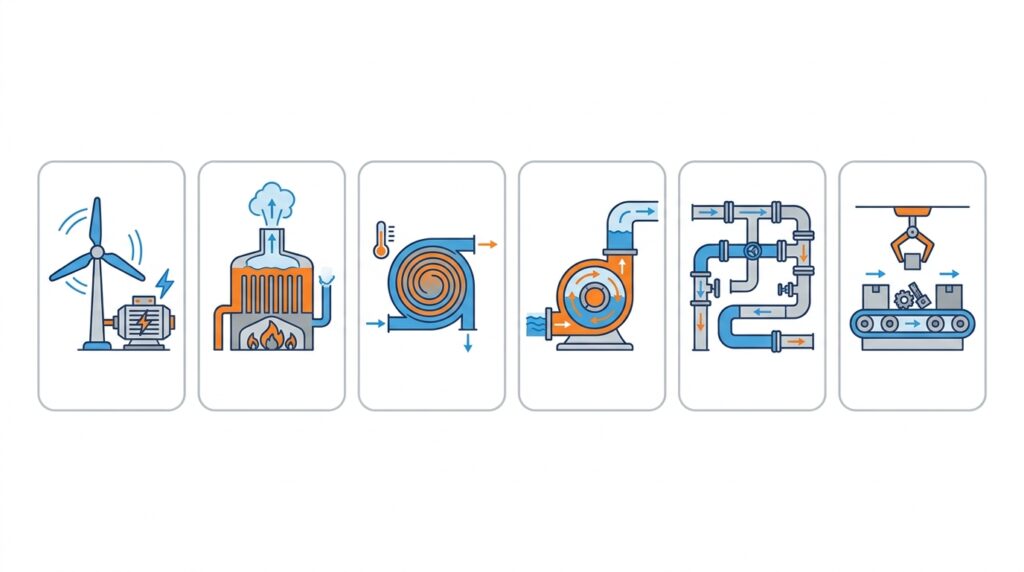
    Mechanical engineering is the heart of an industrial plant. It covers the equipment that drives the process (turbines, boilers, pumps, compressors, heat exchangers, and piping) and the systems that connect them. A plant’s mechanical design determines how efficiently it converts fuel or resources into output, how reliably it operates, and how maintainable it is over its life.

    At EPC Partners Inc., mechanical engineering has been a core part of our work across a wide range of plant projects. These include geothermal power plants in Kenya, Indonesia, and Iceland; large-scale desalination facilities in the UAE and Saudi Arabia; thermal power plants in Vietnam and Bangladesh; and water treatment plants in Vietnam and Kuwait. Our support on mechanical engineering work has ranged from steam turbines for 83 MW geothermal units to high-pressure pumps for some of the world’s largest desalination plants. Each project has presented different mechanical challenges, and each has reinforced the same lesson: mechanical engineering is not just about selecting equipment. It is about designing systems that work together, reliably and efficiently, for decades.

    This article covers the key practices in plant mechanical engineering, drawing on our experience supporting projects across Asia, the Middle East, Africa, and Europe.

    What Is Plant Mechanical Engineering?

    Plant mechanical engineering is the discipline of designing, specifying, and constructing the mechanical systems and equipment required for an industrial plant.

    It includes:

    • Rotating equipment: Turbines, compressors, pumps, and fans.
    • Static equipment: Boilers, heat exchangers, pressure vessels, and tanks.
    • Piping systems: Pipes, valves, fittings, and supports.
    • Material handling: Conveyors, cranes, and lifting equipment.
    • HVAC and ventilation: Heating, ventilation, and air conditioning systems.
    • Fire protection: Pumps, sprinklers, and fire suppression systems.

    Mechanical engineering provides the equipment and systems that convert resources into output.

    Why Mechanical Engineering Matters

    Mechanical engineering directly affects plant performance.

    Factor Impact of Good Mechanical Engineering Impact of Poor Mechanical Engineering
    Performance Equipment operates at design efficiency Equipment underperforms
    Reliability Equipment runs reliably for years Frequent failures and downtime
    Cost Lowest lifecycle cost Higher capital and operating costs
    Safety Mechanical hazards controlled Safety incidents
    Maintainability Equipment accessible for maintenance Difficult and costly maintenance
    Compliance Meets codes and standards Non-compliance

    For small to medium-scale industrial plants in particular, mechanical engineering often determines whether the plant can achieve its performance targets.

    Key Mechanical Systems

    A typical industrial plant has several key mechanical systems.

    Key mechanical systems in an industrial plant

    System Description Examples
    Power generation Equipment that produces electricity Steam turbines, gas turbines, generators
    Steam generation Equipment that produces steam Boilers, HRSGs
    Heat transfer Equipment that transfers heat Heat exchangers, condensers, cooling towers
    Fluid movement Equipment that moves fluids Pumps, compressors, fans
    Piping Systems that connect equipment Process piping, utility piping
    Material handling Equipment that moves materials Conveyors, cranes, hoists

    Each system must be designed to work with the others.

    Rotating Equipment

    Rotating equipment is the core of many industrial plants.

    Types:

    • Turbines: Steam turbines, gas turbines, and expanders.
    • Compressors: Centrifugal, axial, and reciprocating.
    • Pumps: Centrifugal, positive displacement, and reciprocating.
    • Fans: Centrifugal and axial.

    Key considerations:

    • Performance: Does the equipment meet flow, pressure, and efficiency requirements?
    • Reliability: Is the equipment proven in similar applications?
    • Maintenance: Can the equipment be maintained easily?
    • Vibration and dynamics: Have rotor dynamics, foundations, and vibration limits been addressed?
    • Vendor support: Is vendor support available?
    • Spare parts: Are spare parts available?

    At our geothermal projects in Kenya (Olkaria I Unit 6, 83 MW) and Indonesia (Muara Laboh, 85.2 MW), steam turbine selection and integration with the geothermal steam supply were critical to plant performance. In Iceland (Theistareykir, 2×45 MW), the turbines were designed to handle the specific steam conditions of the geothermal resource.

    From the field: At one geothermal site in Indonesia, the steam turbine was designed to handle the specific pressure and non-condensable gas content of the resource. At another site in Kenya, the turbine selection considered the long-term degradation of the steam field and the need for flexibility in operation.

    The lesson is that rotating equipment cannot be selected from a catalogue alone. The resource or process conditions, today and over the plant’s life, shape the right choice.

    Static Equipment

    Static equipment includes vessels, heat exchangers, boilers, and tanks.

    Equipment Description Examples
    Pressure vessels Containers for pressurized fluids Separators, accumulators, reactors
    Heat exchangers Equipment for heat transfer Shell-and-tube, plate, air-cooled
    Boilers Equipment for steam generation Fire-tube, water-tube, HRSG
    Tanks Storage vessels for liquids Atmospheric, pressurized

    Key considerations:

    • Design codes: ASME, PED, or local codes.
    • Materials: Compatible with process fluids.
    • Thermal design: Adequate heat transfer area.
    • Mechanical design: Adequate strength and stiffness.
    • Corrosion allowance: Adequate allowance for corrosion.
    • Nozzle loads and foundations: Loads from connected piping and the supporting structure are accounted for.

    Piping Systems

    Piping systems connect equipment and transport fluids.

    Components:

    • Pipe: The main conduit for fluids.
    • Fittings: Elbows, tees, reducers, and flanges.
    • Valves: Control, isolation, and relief valves.
    • Supports: Pipe supports, hangers, and anchors.
    • Insulation: Thermal and personnel protection.

    Key considerations:

    • Material selection: Compatible with fluids and conditions.
    • Sizing: Adequate for flow and pressure drop.
    • Layout: Efficient routing and accessibility.
    • Support and flexibility: Adequate support, with stress analysis for thermal expansion and dynamic loads.
    • Testing: Pressure testing and inspection.

    For thermal power projects in Vietnam (Thai Binh 1, 2×300 MW) and Bangladesh (Bibiyana-III, 400 MW CCGT), main steam and reheat piping required careful design for high temperature and pressure. Material selection and stress analysis were critical to long-term reliability.

    Pumps and Compressors

    Pumps and compressors are essential for moving fluids.

    Pump Type Description Application
    Centrifugal Uses rotating impeller Most common, wide range
    Positive displacement Traps and moves fluid High pressure, viscous fluids
    Reciprocating Uses piston or plunger High pressure, low flow
    Compressor Type Description Application
    Centrifugal Uses rotating impeller Large flow, moderate pressure
    Axial Uses rotating blades Very large flow, lower pressure ratio
    Reciprocating Uses piston High pressure, low flow

    Key considerations:

    • Performance: Flow, head, and efficiency across the full operating range, not only at the design point.
    • Suction conditions: Adequate NPSH for pumps, and surge and control margins for compressors.
    • Reliability: Proven in similar applications.
    • Maintenance: Accessibility for maintenance.
    • Spare parts and vendor support: Availability over the plant’s life.

    For desalination projects in the Gulf (Taweelah, 909,200 m³/day; Jubail 3A, 600,000 m³/day), high-pressure pumps and energy recovery devices were critical to plant efficiency and reliability. At this scale, a small efficiency gain in a pump or energy recovery device translates into a large reduction in lifetime energy cost.

    Heat Exchangers

    Heat exchangers transfer heat between fluids.

    Type Description Application
    Shell-and-tube Most common, wide range Process heating and cooling
    Plate Compact, high efficiency Clean fluids, moderate pressure
    Air-cooled Uses air for cooling Where water is scarce
    Condensers Condense steam Power plants

    Key considerations:

    • Thermal design: Adequate heat transfer area.
    • Mechanical design: Adequate pressure and temperature rating.
    • Material selection: Compatible with fluids.
    • Fouling: Resistance to fouling and ease of cleaning.
    • Maintenance: Accessibility for cleaning and repair, including tube pull-out space.

    Boilers and Steam Systems

    Boilers and steam systems are central to many industrial plants.

    Boiler types:

    • Fire-tube: Hot gases pass through tubes surrounded by water.
    • Water-tube: Water passes through tubes surrounded by hot gases.
    • HRSG: Heat recovery steam generator, used in combined cycle plants.

    Key considerations:

    • Steam conditions: Pressure and temperature.
    • Efficiency: Thermal efficiency and heat rate.
    • Emissions: NOx, SOx, and particulate matter.
    • Water treatment: Boiler feedwater quality.
    • Safety: Relief valves and controls.

    Material Handling, HVAC, and Fire Protection

    These supporting systems are often treated as secondary, but they affect safety, operability, and construction.

    • Material handling: Cranes and hoists should be sized for the heaviest maintenance lift, such as a turbine rotor or a large motor. Conveyors need to match throughput and material characteristics.
    • HVAC and ventilation: Design must cover equipment heat loads, hazardous or corrosive atmospheres, and control room conditions.
    • Fire protection: Pumps, piping, and suppression systems should be coordinated with the overall fire safety design and applicable codes.

    Codes, Standards, and Materials

    Every mechanical design rests on codes and standards. The right set depends on the project location, owner requirements, and equipment type, and should be agreed early. Typical references include:

    • Pressure equipment: ASME Boiler and Pressure Vessel Code, PED (Europe), and local regulations.
    • Piping: ASME B31 series.
    • Rotating equipment: API standards for pumps, compressors, and turbines, plus relevant ISO and IEC standards.
    • Heat exchangers: TEMA and API standards where applicable.

    Materials deserve equal attention. Geothermal steam and brine can be corrosive, with chlorides and hydrogen sulfide in the mix. Seawater service in desalination calls for corrosion-resistant alloys. High-temperature steam piping demands creep-resistant steels. A material that is acceptable on a data sheet can fail early if it is not matched to actual service conditions.

    The Mechanical Engineering Workflow

    Mechanical engineering is not a single step. It runs through the project lifecycle:

    Stage Key Mechanical Activities
    Concept and feasibility Technology options, preliminary sizing, cost estimates
    Basic design / FEED Heat and mass balance, equipment lists, data sheets, P&IDs, layout
    Procurement Technical bid evaluation, vendor selection, purchase specifications
    Detailed design Vendor drawing review, piping design and stress analysis, supports, interfaces
    Fabrication Inspection, witnessed factory tests, expediting
    Construction Installation, alignment, pressure testing, flushing and cleaning
    Commissioning Mechanical completion, run-in, performance verification, punch list
    Handover As-built documents, spare parts lists, operating and maintenance manuals

    Strong early work reduces rework later. A decision made at data sheet stage is far cheaper to change than one found during installation.

    Vendor Documents, Inspection, and Testing

    Selecting a good vendor is only the start. Quality depends on how the vendor’s work is reviewed and verified:

    • Document review: Vendor drawings, calculations, and data sheets are checked against the specification and against other disciplines’ requirements.
    • Inspection and test plans: Hold and witness points are defined for critical equipment.
    • Factory acceptance tests: Performance, mechanical run, and vibration tests are witnessed where justified.
    • Traceability: Material certificates and weld records are collected and verified.
    • Transport and storage: Preservation and handling requirements are followed, since damage between factory and site is a common source of delay.

    Design Reviews and Integration

    Mechanical systems interact with civil, electrical, and instrumentation and control (I&C) work. Good integration practices include:

    • Interface management: Foundation loads, cable and instrument connections, and utility tie-ins are defined and tracked.
    • 3D model reviews and clash checks: Problems are found on screen, not at site.
    • HAZOP and safety reviews: Mechanical hazards, relief cases, and failure scenarios are examined.
    • Constructability and maintainability reviews: Construction and maintenance teams confirm that equipment can be installed, accessed, and removed.
    • Operating mode review: Startup, shutdown, part-load, and upset conditions are considered, not just steady-state operation.

    Installation and Mechanical Completion

    Good design can be undone by poor installation. Key activities include:

    • Alignment and grouting: Rotating equipment aligned to tolerance and properly grouted.
    • Piping erection: Verified against stress analysis, with spring supports and temporary restraints correctly set and released.
    • Cleanliness: Flushing, chemical cleaning, or steam blowing as required, especially for turbine steam systems.
    • Pressure testing: Hydrotests or pneumatic tests per code.
    • Mechanical completion: Systematic checks and documented punch lists before handover to commissioning.

    Mechanical Engineering in Small Plants

    Small plants face particular challenges with mechanical engineering.

    Challenges:

    • Fewer resources for mechanical engineering.
    • Less in-house expertise.
    • Less access to vendor information.
    • Competing priorities.

    Practical approaches:

    • Focus on proven equipment: Reduce risk by using proven equipment.
    • Use vendor information: Leverage vendor data and references.
    • Seek expert advice: Get advice from consultants or experienced colleagues.
    • Visit operating plants: See equipment in operation.
    • Involve operations and maintenance: Use the experience of the people who will run the plant.
    • Document decisions: Record the basis for decisions.
    • Consider lifecycle cost: Look beyond capital cost.

    Mechanical engineering does not need to be complex. It needs to be thorough and practical.

    Common Mistakes in Mechanical Engineering

    Even experienced organizations make mistakes. Common ones include:

    • Selecting on capital cost alone: Ignoring operating and lifecycle costs.
    • Ignoring site conditions: Selecting equipment that does not suit the site, such as ambient temperature, altitude, or water quality.
    • Undersizing equipment: Insufficient capacity for actual conditions.
    • Oversizing equipment: Unnecessary cost and inefficiency.
    • Ignoring maintenance access: Equipment that cannot be maintained.
    • Poor material selection: Corrosion or failure.
    • No vendor support: Difficulty obtaining spare parts or support.
    • Ignoring integration: Equipment that does not work with other systems.
    • Weak vendor document review: Errors that surface only at site.
    • No documentation: Not recording the basis for decisions.

    These mistakes are costly to correct. They are much cheaper to avoid through disciplined mechanical engineering.

    How EPC Partners Inc. Approaches Mechanical Engineering

    At EPC Partners Inc., we bring practical experience from projects across Asia, the Middle East, Africa, and Europe to mechanical engineering.

    Our approach includes:

    • Thorough evaluation: Equipment is evaluated carefully against technical, commercial, and lifecycle criteria.
    • Proven technology: Proven equipment is preferred over unproven.
    • Integration focus: Equipment is evaluated for how well it integrates with other systems.
    • Operations and maintenance input: The people who will run the plant are involved in decisions.
    • Vendor evaluation: Vendors are evaluated for experience, support, and spare parts availability.
    • Rigorous review and inspection: Vendor documents are reviewed and critical equipment is inspected and tested.
    • Detailed documentation: The mechanical design and selection process is documented.
    • Long-term focus: Equipment is selected for long-term reliability.

    Our experience includes supporting geothermal projects in Kenya, Ethiopia, Indonesia, Iceland, and Japan; desalination projects in the UAE, Saudi Arabia, Oman, and Qatar; thermal power projects in Vietnam, Bangladesh, and Japan; and water treatment projects in Vietnam, Kuwait, and Qatar.

    We have also supported clients including Marubeni Corporation, Fuji Electric Co., Ltd., and Toyota Tsusho Corporation on mechanical engineering aspects of their projects.

    How to Evaluate Mechanical Engineering Readiness

    When reviewing mechanical engineering, ask:

    Question Why It Matters
    Are requirements clearly defined? Defines what the equipment must do
    Have all equipment options been identified? Ensures no option is overlooked
    Is equipment evaluated against clear criteria? Ensures consistent evaluation
    Is lifecycle cost considered? Ensures total cost is considered
    Is reliability assessed? Accounts for equipment reliability
    Are codes, standards, and materials defined for the actual service? Prevents non-compliance and early failure
    Is maintenance access considered? Ensures equipment can be maintained
    Is vendor support evaluated? Ensures support is available
    Is integration assessed? Ensures equipment works with other systems
    Are vendor documents reviewed and critical equipment inspected? Catches errors before they reach site
    Is the design documented? Ensures transparency

    A plant that addresses these questions is ready for sound mechanical engineering.

    Key Takeaways

    • Select equipment for lifecycle performance, not capital cost alone.
    • Match equipment and materials to actual site and resource conditions, today and over the plant’s life.
    • Prefer proven technology, and verify vendor support and spare parts.
    • Design for maintenance access from the start.
    • Review vendor documents and inspect critical equipment.
    • Involve operations and maintenance teams early.
    • Document the basis for decisions.

    Conclusion

    Mechanical engineering is the heart of every industrial plant. For small to medium-scale industrial plants especially, it determines whether the plant can achieve its performance targets, reliably and economically.

    By focusing on rotating equipment, static equipment, piping systems, pumps and compressors, heat exchangers, and boilers, and by managing codes, materials, vendors, and installation with discipline, owners and project teams can ensure that the mechanical systems support the plant throughout its life.

    If you are planning a plant project and need support with mechanical engineering or EPC project delivery, contact us to discuss how we can help.

    EPC Partners Inc. is a Japanese EPC support firm with experience supporting power, water, and industrial plant projects across Asia, the Middle East, Africa, and Europe. For more information, visit our project list.
  • Plant Civil Engineering: Key Practices for EPC Projects

    Plant Civil Engineering: Key Practices for EPC Projects

    By EPC Partners Inc. Engineering Team

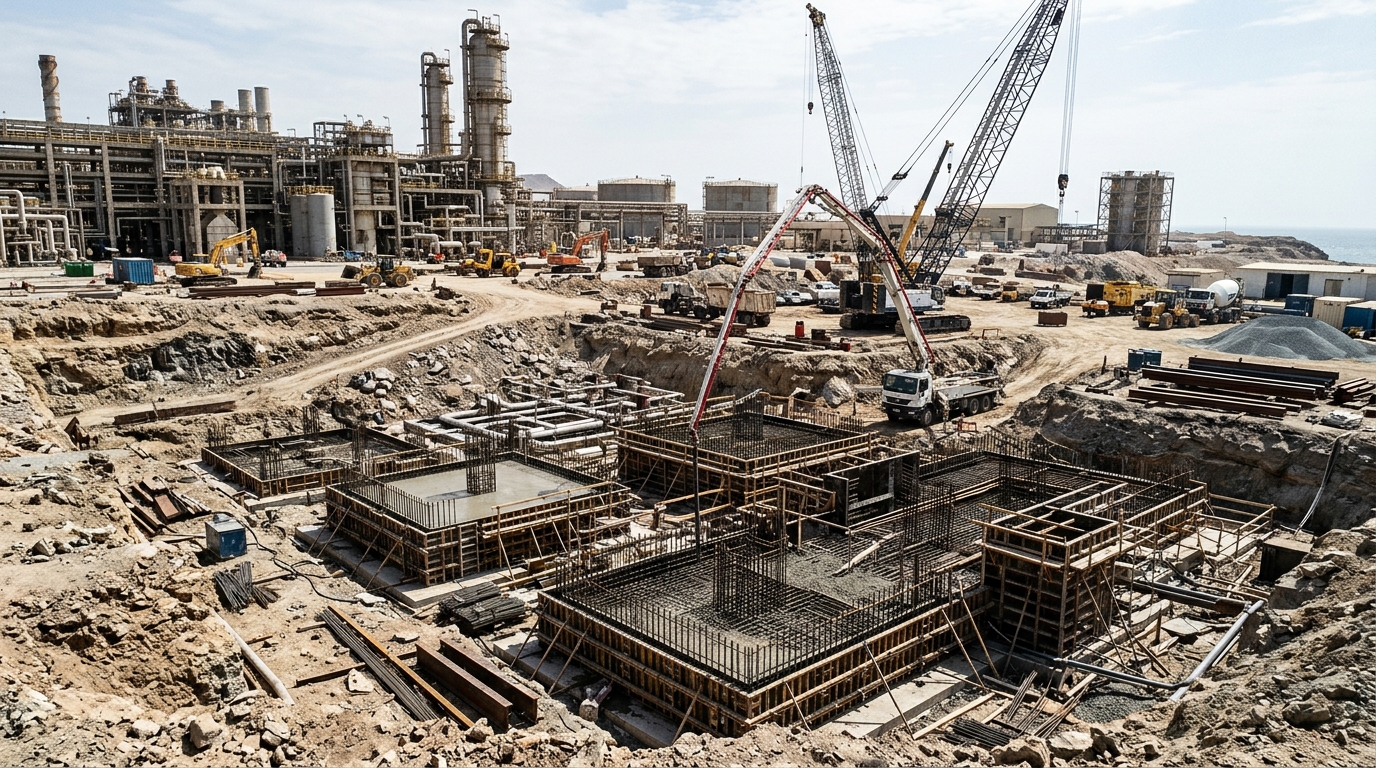
    Civil engineering is the foundation of every industrial plant, literally. Foundations support the equipment. Structures house the process. Roads provide access. Drainage protects the site. All of it must be designed and built to withstand the site conditions, the plant loads, and the test of time.

    At EPC Partners Inc., civil engineering has been a core part of our work across a wide range of plant projects, from geothermal fields in the East African Rift Valley to coastal desalination sites in the Arabian Gulf, and from seismic zones in Iceland to constrained industrial sites in Japan. Our civil work has ranged from turbine-generator foundations for 300 MW thermal units to marine intakes and outfalls for some of the world’s largest desalination plants. Each project has presented different challenges, and each has reinforced the same lesson: civil engineering is not a secondary discipline. It is fundamental to project success.

    This article covers the key practices in plant civil engineering, drawing on our experience supporting projects across Asia, the Middle East, Africa, and Europe.

    What Is Plant Civil Engineering?

    Plant civil engineering is the discipline of designing and constructing the civil works required for an industrial plant. It includes:

    • Site preparation: Earthworks, grading, and compaction.
    • Foundations: Supporting equipment, structures, and buildings.
    • Structures: Buildings, shelters, and support structures.
    • Roads and access: Site roads, access roads, and hardstanding.
    • Drainage: Surface water, stormwater, and process drainage.
    • Underground services: Pits, trenches, culverts, and buried piping and cable routes.
    • Retaining structures: Walls, slopes, and embankments.
    • Marine works: Intakes, outfalls, and coastal structures (where applicable).

    Civil engineering provides the platform on which all other disciplines depend.

    Why Civil Engineering Matters

    Factor Impact of Good Civil Engineering Impact of Poor Civil Engineering
    Safety Stable foundations and structures Structural failures, safety incidents
    Cost Optimized earthworks and foundations Cost overruns from rework
    Schedule Civil works completed on time Delays cascade to other disciplines
    Performance Equipment operates as designed Vibration, settlement, alignment issues
    Durability Structures last for decades Premature deterioration
    Compliance Meets building codes and regulations Non-compliance, legal issues

    For small to medium-scale industrial plants, civil engineering determines whether the plant can be built safely and operated reliably.

    Design Basis, Codes, and Standards

    Civil design starts with a clear design basis, agreed early with the owner and the other disciplines. It should define:

    • Applicable codes: National and local building codes, plus international standards where the project requires them (for example ACI, ASCE, or Eurocode families, and local codes such as those in Japan, Indonesia, or the Gulf states).
    • Design loads: Dead, live, equipment, wind, seismic, thermal, and construction loads.
    • Environmental conditions: Temperature, rainfall, groundwater, aggressive soil or seawater, and seismic and wind data.
    • Equipment data: Vendor loads, anchor bolt layouts, and tolerances, which are often the last information to arrive and the most expensive to get wrong.
    • Design life and durability requirements.

    Where several codes apply, such as owner standards, local regulations, and vendor requirements, the design basis should state which governs.

    Site Preparation

    Site preparation is the first step in civil construction.

    • Clearing and grubbing: Removing vegetation, debris, and obstructions.
    • Earthworks: Cut and fill to achieve design levels.
    • Grading: Shaping the site to design contours.
    • Compaction: Compacting fill to achieve design density, verified by testing.
    • Dewatering: Managing groundwater during excavation where the water table is high.
    • Erosion and sediment control: Preventing erosion during construction.

    Site preparation should be based on accurate topographic survey data and geotechnical investigation.

    Geotechnical Investigation

    Geotechnical investigation is the basis of civil design.

    • Boreholes: Drilling to investigate soil and rock conditions.
    • Test pits: Excavating to investigate shallow conditions.
    • In-situ testing: Standard penetration tests and cone penetration tests.
    • Laboratory testing: Soil classification, strength, and consolidation, plus chemical testing (sulfates, chlorides, pH) to assess concrete and steel durability.
    • Geophysical testing: Seismic refraction and resistivity.
    • Groundwater monitoring: Water levels and variations over time.

    The investigation should cover the whole plant footprint, with denser coverage under heavy or sensitive equipment such as turbine-generators, stacks, and large tanks.

    Lessons from the field. At our geothermal projects in Kenya (Olkaria I Unit 6, 83 MW) and Indonesia (Muara Laboh, 85.2 MW), the volcanic terrain required careful geotechnical assessment for foundations, access roads, and pipeline routing. In Iceland (Theistareykir, 2×45 MW), seismic conditions shaped the structural design. Each site’s unique conditions shaped the engineering approach, and in every case the quality of the early geotechnical work determined how smoothly construction went.

    Seismic and Geohazard Considerations

    Many of the plant sites we support lie in seismically active or geologically complex regions. Designers should consider:

    • Seismic loading: Ground motion for foundations, structures, and equipment anchorage.
    • Liquefaction and settlement: Particularly at coastal and reclaimed sites.
    • Slope stability: Natural slopes and engineered cuts and fills.
    • Volcanic and geothermal ground conditions: Hot ground, steam, and altered soils at geothermal sites.
    • Flood and tsunami exposure: For coastal and low-lying sites.

    These hazards should be identified early, because they affect foundation type, structural system, and site layout.

    Foundations

    Foundations support equipment, structures, and buildings. The foundation type depends on soil conditions, loads, and equipment requirements.

    Foundation Type Description When to Use
    Shallow foundations Spread footings, strip footings Good soil conditions, moderate loads
    Raft (mat) foundations Large concrete slabs spreading load over a wide area Uniform loads, weaker soil
    Deep foundations Piles, drilled shafts Poor soil conditions, heavy loads, liquefaction risk
    Machine foundations Dynamic foundations for rotating equipment Turbines, compressors, pumps
    Tank foundations Ringwalls, slabs, or piled bases Storage tanks, where settlement is critical

    Machine Foundations

    Machine foundations require special attention.

    • Dynamic loads: Rotating equipment generates dynamic loads that the foundation must accommodate, including a check that the foundation’s natural frequencies stay clear of the machine’s operating frequencies.
    • Vibration isolation: Foundations should limit vibration transmitted to surrounding structures. A common approach is to separate the machine foundation from building floors and slabs.
    • Alignment: Foundations must maintain equipment alignment over time.
    • Settlement: Differential settlement can cause misalignment and failure.
    • Temperature effects: Thermal expansion must be accommodated, and large concrete placements need thermal control to limit cracking.
    • Grouting and anchor bolts: Placement tolerances, grout selection, and curing must follow the equipment vendor’s requirements.

    At thermal power projects in Vietnam (Thai Binh 1, 2×300 MW) and Bangladesh (Bibiyana-III, 400 MW CCGT), turbine-generator foundations required careful design to accommodate dynamic loads and maintain alignment.

    Structures

    Structures house the process and support the plant.

    • Buildings: Control rooms, offices, workshops, warehouses.
    • Process structures: Equipment support structures, pipe racks, platforms.
    • Shelters: Equipment shelters and weather protection.
    • Special structures: Stacks, cooling towers, silos.

    Structure design must consider loads, environmental conditions, fire protection requirements, and regulatory requirements. Structural steel and concrete choices should also take into account local construction capability, material availability, and corrosion exposure.

    Roads and Access

    Roads and access are essential for construction and operation.

    • Site roads: Roads within the plant site.
    • Access roads: Roads connecting the site to public roads.
    • Heavy haul routes: Routes for transporting large equipment, including checks of bridges, culverts, turning radii, and overhead clearances.
    • Hardstanding: Paved areas for laydown, maintenance, and vehicle parking.
    • Drainage: Road drainage to prevent flooding and pavement damage.

    For remote sites in Ethiopia (Aluto Langano, 5 MW) and Indonesia, access roads and logistics planning were critical to construction success.

    Drainage

    Drainage protects the site from water damage.

    • Surface water: Stormwater runoff and drainage.
    • Process drainage: Drainage from process areas.
    • Contaminated drainage: Drainage that may contain oil or chemicals, with containment and treatment before discharge.
    • Flood protection: Protection against flooding, including consideration of extreme events.
    • Erosion control: Prevention of erosion from runoff.

    Drainage design must consider rainfall intensity, site topography, and environmental requirements.

    Underground Services

    Underground pits, trenches, culverts, and buried pipes and cables are easy to overlook in planning and difficult to change once built. They should be coordinated early with piping, electrical, and instrumentation teams so that routes, crossings, and depths are resolved before foundations and roads are constructed.

    Retaining Structures

    Retaining structures support slopes and prevent erosion.

    • Gravity walls: Concrete or masonry walls that resist soil pressure by their weight.
    • Cantilever walls: Reinforced concrete walls that resist soil pressure by cantilever action.
    • Sheet pile walls: Steel or concrete piles driven into the ground.
    • Gabion walls: Stone-filled wire baskets.
    • Soil nailing: A slope stabilization technique using reinforcing bars installed in the soil.

    Retaining structures are often required on sites with significant level changes.

    Marine Works

    Marine works are required for coastal sites.

    • Intakes: Structures for drawing cooling water or process water from the sea.
    • Outfalls: Structures for discharging water to the sea.
    • Breakwaters: Structures to protect the site from wave action.
    • Jetties: Structures for loading and unloading materials.

    Marine works demand additional data (bathymetry, tides, waves, currents, and sediment transport) and must be designed for the aggressive marine environment. For desalination projects in the Gulf (Taweelah, 909,200 m³/day; Jubail 3A, 600,000 m³/day), marine works were a significant part of the civil scope.

    Concrete, Materials, and Quality Control

    Good design can be undone by poor construction quality. Key practices include:

    • Concrete mix design: Matched to exposure, such as sulfate-bearing soils, seawater, or high temperatures.
    • Testing: Concrete cube or cylinder testing, reinforcement testing, and compaction testing.
    • Inspection and hold points: Formwork, reinforcement, and embedments inspected before every pour.
    • Curing and temperature control: Particularly in hot climates and for mass concrete.
    • Survey control: As-built surveys of foundations and anchor bolts before equipment installation.

    Interfaces and Construction Sequencing

    Civil works come first, so delays and errors spread to every other discipline. Practical measures include:

    • Early equipment data: Securing vendor loads and anchor details before foundation design is finalized.
    • Discipline coordination: Resolving clashes between foundations, underground services, and piping routes in the design stage.
    • Sequencing plan: Planning excavations, pours, and backfill so that civil works do not block equipment delivery and mechanical erection.
    • Handover of foundations: Clear acceptance criteria for turning over completed foundations to the mechanical contractor.

    Civil Engineering in Small Plants

    Small plants face particular challenges:

    • Fewer resources for civil engineering.
    • Less geotechnical data available.
    • Less in-house expertise.
    • Competing priorities.

    Practical approaches:

    • Invest in geotechnical investigation: Good geotechnical data prevents costly surprises.
    • Use standard designs: Standard foundation and structure designs can save time and cost.
    • Seek expert advice: Get advice from geotechnical and structural engineers.
    • Plan for construction: Plan civil works around the construction sequence.
    • Document decisions: Record the basis for design decisions.
    • Consider lifecycle: Design for durability and low maintenance.

    Civil engineering does not need to be complex. It needs to be thorough and practical.

    Common Mistakes in Civil Engineering

    • Insufficient geotechnical investigation: Discovering soil problems after construction begins.
    • Inadequate site preparation: Poor compaction leading to settlement.
    • Underestimating drainage requirements: Flooding during construction or operation.
    • Ignoring seismic conditions: Structural failure during earthquakes.
    • Poor machine foundation design: Vibration and alignment problems.
    • Late equipment data: Redesign and rework when vendor loads change.
    • Inadequate access roads: Difficulty delivering equipment.
    • Ignoring environmental requirements: Erosion and sedimentation problems.
    • Weak quality control on concrete: Defects that surface only after commissioning.
    • No construction sequencing plan: Civil works blocking other disciplines.

    These mistakes are costly to correct. They are much cheaper to avoid through disciplined civil engineering.

    How EPC Partners Inc. Approaches Civil Engineering

    At EPC Partners Inc., we bring practical experience from projects across Asia, the Middle East, Africa, and Europe to civil engineering. Our approach includes:

    • Thorough geotechnical investigation: We ensure that civil design is based on accurate site data.
    • Practical design: We design civil works that are constructible, durable, and cost-effective.
    • Local knowledge: We work with local experts to understand site conditions and regulatory requirements.
    • Construction support: We provide civil construction management and supervision.
    • Risk assessment: We identify and assess civil-related risks.
    • Detailed documentation: We document the civil design and construction process.

    Our experience includes supporting geothermal projects in Kenya, Ethiopia, Indonesia, Iceland, and Japan; desalination projects in the UAE, Saudi Arabia, Oman, and Qatar; thermal power projects in Vietnam, Bangladesh, and Japan; and water treatment projects in Vietnam, Kuwait, and Qatar. We have also supported clients including Marubeni Corporation, Fuji Electric Co., Ltd., and Toyota Tsusho Corporation on civil engineering aspects of their projects.

    How to Evaluate Civil Engineering Readiness

    Question Why It Matters
    Is the design basis (codes, loads, environment) agreed? Gives all disciplines a common reference
    Has geotechnical investigation been performed? Provides the basis for design
    Have seismic and geohazard risks been assessed? Prevents structural and stability failures
    Is site preparation planned? Ensures proper site conditions
    Are foundations designed for loads? Ensures equipment and structures are supported
    Are machine foundations designed for dynamic loads? Ensures equipment alignment and reliability
    Are structures designed for environmental conditions? Ensures durability and safety
    Are roads and access adequate? Ensures construction and operation can proceed
    Is drainage designed? Prevents flooding and erosion
    Are underground services coordinated? Avoids clashes and rework
    Are retaining structures designed? Prevents slope failure
    Are marine works designed? Ensures coastal structures perform
    Is a quality control and testing plan in place? Ensures the as-built matches the design
    Is the design documented? Ensures transparency

    A project that can answer these questions is ready for sound civil engineering.

    Conclusion

    Civil engineering is the foundation of every industrial plant. For small to medium-scale industrial plants, it determines whether the plant can be built safely, operated reliably, and maintained economically.

    By focusing on the design basis, geotechnical investigation, site preparation, foundations, structures, roads, drainage, retaining structures, marine works, and quality control, owners and project teams can ensure that the civil works support the plant throughout its life.

    If you are planning a plant project and need support with civil engineering or EPC project delivery, contact us to discuss how we can help.

    EPC Partners Inc. is a Japanese EPC support firm with experience supporting power, water, and industrial plant projects across Asia, the Middle East, Africa, and Europe. For more information, visit our project list.
  • Plant Site Selection: Key Practices for EPC Projects

    Plant Site Selection: Key Practices for EPC Projects

    By EPC Partners Inc. Engineering Team | Plant Design & Engineering

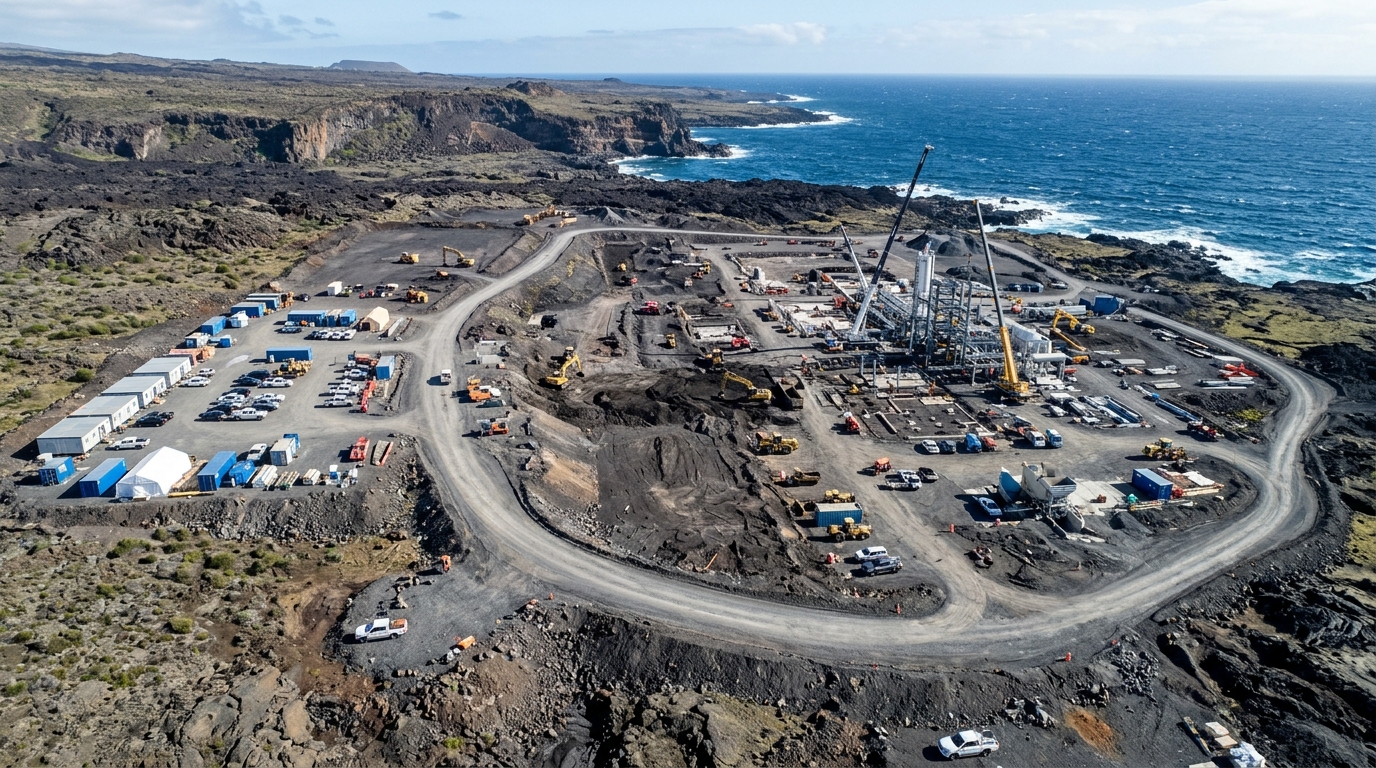
    Site selection is one of the earliest and most consequential decisions in an industrial plant project. The site determines what can be built, how much it costs, how efficiently the plant operates, and how it affects the surrounding community. A good site can make a project viable; a poor site can make it unworkable, no matter how good the design or construction.

    At EPC Partners Inc., we have supported plant projects across a wide range of sites, from geothermal fields in the East African Rift Valley to coastal desalination sites in the Arabian Gulf, and from constrained industrial sites in Japan to remote locations in Southeast Asia. Each site has presented different challenges, and each has reinforced the same lesson: site selection deserves careful, disciplined analysis from the very beginning.

    This article covers the key practices in plant site selection, drawing on our experience supporting projects across Asia, the Middle East, Africa, and Europe.

    What Is Site Selection?

    Site selection is the process of identifying, evaluating, and choosing the location for an industrial plant. It includes:

    • Site identification: What sites are available?
    • Site screening: Which sites meet the minimum requirements?
    • Site evaluation: How do the remaining sites compare?
    • Site selection: Which site is best?
    • Site confirmation: Is the chosen site suitable for the plant once investigated in detail?

    Site selection is not just about finding land. It is about finding the right land for the plant, the project, and the community.

    Why Site Selection Matters

    Site selection directly affects project viability.

    Factor Impact of Good Site Selection Impact of Poor Site Selection
    Cost Lower construction and operating costs Higher costs, expensive fixes
    Schedule Construction proceeds smoothly Delays from site issues
    Performance Plant operates at design conditions Plant underperforms due to site conditions
    Compliance Regulatory requirements met Permitting problems
    Community Community supports the project Community opposition
    Sustainability Site supports long-term operation Site becomes a liability

    For small to medium-scale industrial plants, where there is less margin for error, site selection can determine whether the project proceeds at all.

    Define Requirements First

    Before any site is considered, the project needs a clear statement of what the plant requires from its site. This site requirements basis should cover:

    • Plant footprint: Area for the plant itself, plus laydown, construction facilities, and future expansion.
    • Process needs: Fuel, raw materials, cooling or process water, and product or power export.
    • Connections: Grid interconnection, pipelines, product transport, and communications.
    • Constraints: Noise, emissions, setback distances, and safety distances from neighbors.
    • Project drivers: Target schedule, budget limits, and financing conditions.

    Without this basis, sites cannot be screened or compared consistently.

    Site Selection Criteria

    Site selection considers many criteria.

    Criterion Description Examples from Our Experience
    Land Adequate area, suitable topography, secure land rights Geothermal sites in Kenya and Indonesia required careful handling of steep, volcanic terrain
    Access Roads, rail, ports Remote sites in Ethiopia and Indonesia required new access roads
    Utilities Power, water, gas, communications Desalination sites in the Gulf required careful utility planning
    Resources Fuel, raw materials, water Geothermal sites depend on resource availability; thermal plants depend on fuel supply
    Environment Environmental conditions and constraints Coastal sites in the Gulf required assessment of marine impacts
    Regulatory Zoning, permits, approvals Projects in Japan and the Middle East required extensive permitting
    Social Community impact, social acceptability Projects in Kenya and Indonesia required community engagement
    Geotechnical Soil conditions, seismic risk Seismic conditions in Iceland and Indonesia required special foundation design
    Climate Temperature, humidity, wind, flood risk Desert sites in Saudi Arabia and Qatar required heat and dust mitigation

    Each criterion should be assessed for each candidate site, and the results compared systematically.

    Site Identification

    Site identification is the first step in site selection. Common sources include:

    • Client-provided sites: Sites already owned or identified by the client.
    • Government agencies: Sites identified by government development agencies, such as industrial parks or designated resource areas.
    • Site searches: Proactive searches for suitable sites, using maps, satellite imagery, and local advisers.
    • Existing facilities: Expansion of existing facilities.
    • Brownfield sites: Sites with existing infrastructure.

    For projects in regions like East Africa or Southeast Asia, site identification often begins with a broad geographic search before narrowing down to specific sites.

    Site Screening

    Site screening eliminates sites that do not meet minimum requirements. Typical screening questions are:

    • Adequate land area: Is there enough space for the plant and its future expansion?
    • Access: Is the site accessible for construction and operation?
    • Utilities: Are utilities available, or can they be provided?
    • Regulatory: Is the site zoned for industrial use?
    • Land rights: Can the land be acquired or leased with clear title?
    • Environmental: Are there any environmental constraints that cannot be mitigated?
    • Social: Are there any social constraints that cannot be mitigated?

    Screening should be objective and consistent across sites. A site that fails a screening criterion is removed, not carried forward on the hope that the problem will be solved later.

    Site Evaluation

    Site evaluation compares the remaining sites in detail.

    Criterion Weight Consideration
    Capital cost High Land, site preparation, infrastructure
    Operating cost High Fuel, utilities, logistics
    Schedule High Permitting, construction time
    Technical suitability High Geotechnical, climate, utilities
    Regulatory High Permits, approvals, compliance
    Social Medium Community impact, acceptance
    Environmental Medium Environmental impact, mitigation
    Future expansion Medium Space for future growth

    Evaluation criteria and weights should be defined before evaluation begins, so that the result is not shaped by a preferred site.

    Weighted Scoring and Cost Comparison

    A weighted scoring matrix is a practical way to compare sites. Each site is scored against each criterion, scores are multiplied by the agreed weights, and the totals are compared. Two cautions apply:

    • Do not rely on the score alone. Review the result with cost estimates, and test whether the ranking changes if weights are adjusted (sensitivity check).
    • Treat fatal flaws separately. A single issue, such as an unobtainable permit, should disqualify a site regardless of its total score.

    Cost comparison should include land, site preparation, access roads, utility connections, foundations, and operating costs over the plant life, not capital cost alone.

    Geotechnical Considerations

    Geotechnical conditions are a critical factor in site selection. Key considerations are:

    • Soil conditions: Bearing capacity, settlement, liquefaction potential.
    • Rock conditions: Depth to rock, rock quality.
    • Seismic risk: Earthquake hazard, fault proximity.
    • Groundwater: Depth, quality, contamination.
    • Slope stability: Landslide risk, slope angles.

    At our geothermal projects in Kenya (Olkaria I Unit 6, 83 MW) and Indonesia (Muara Laboh, 85.2 MW), the volcanic terrain required careful geotechnical assessment for foundations, access roads, and pipeline routing. In Iceland (Theistareykir, 2×45 MW), seismic conditions required special design considerations.

    From the field: At one geothermal site in Indonesia, the volcanic terrain required special foundation design and careful access road planning. At another site in Iceland, seismic conditions influenced the structural design approach. In each case, the unique conditions of the site shaped the engineering approach, and identifying them early meant they could be designed for rather than discovered during construction.

    A staged investigation works best: desktop review and geological mapping at screening, then boreholes and testing at the shortlisted sites, and a detailed investigation at the chosen site.

    Access and Logistics

    Access and logistics affect both construction and operation. Key considerations are:

    • Road access: Width, load capacity, gradients, bridges, and turning radii.
    • Port access: Proximity, capacity, shipping routes.
    • Rail access: Availability, capacity.
    • Air access: Proximity to airports for personnel and urgent equipment.
    • Construction access: Can large and heavy equipment, such as turbines, generators, and transformers, be delivered to site?

    A route survey from the port of entry to the site is worthwhile for any plant with heavy or oversized equipment. For remote sites in Ethiopia (Aluto Langano, 5 MW) and Indonesia, access roads and logistics planning were critical to construction success.

    Utilities and Infrastructure

    Utilities and infrastructure must be available or provided. Key considerations are:

    • Power: Availability, reliability, cost, and grid connection capacity.
    • Water: Availability, quality, treatment requirements.
    • Gas: Availability, pressure, quality.
    • Communications: Availability, reliability.
    • Waste disposal: Availability, capacity.

    Where a utility must be extended to the site, its cost, schedule, and the approvals involved should be included in the site evaluation. For desalination projects in the Gulf (Taweelah, 909,200 m³/day; Jubail 3A, 600,000 m³/day), power and water infrastructure were central to site selection.

    Environmental Considerations

    Environmental conditions affect plant design and operation. Key considerations are:

    • Climate: Temperature, humidity, wind, rainfall.
    • Air quality: Ambient air quality, dispersion conditions.
    • Water: Availability, quality, discharge options.
    • Ecology: Sensitive habitats, protected species.
    • Natural hazards: Flood, earthquake, storm, tsunami, landslide.

    For coastal desalination sites in the Gulf, marine environmental impacts were carefully assessed. For geothermal sites in Kenya and Indonesia, land use and ecological impacts were important considerations. Natural hazard exposure, especially flooding, should be checked against the plant design life and not only current conditions.

    Regulatory Considerations

    Regulatory requirements affect site selection. Key considerations are:

    • Zoning: Is the site zoned for industrial use?
    • Permits: What permits are required?
    • Approvals: What approvals are required?
    • Timeline: How long will approvals take?
    • Compliance: Can the plant comply with regulations?

    For projects in Japan (Asahi Kasei Mizushima, 29.1 MW), Qatar (Al Kharsaah, 800 MW solar), and Saudi Arabia, regulatory requirements and permitting timelines were significant factors.

    Land Rights and Acquisition

    A site is only usable if the land can be secured. This is often underestimated. Considerations include:

    • Ownership and title: Who owns the land, and is title clear?
    • Acquisition or lease: Terms, cost, and timeline.
    • Existing users: Farmers, residents, or other users who may need to be resettled or compensated.
    • Easements and rights of way: For access roads, pipelines, transmission lines, and discharge routes.
    • Encumbrances: Mortgages, disputes, or restrictions on use.

    Land issues can delay a project for months or years, and lenders typically require secure land rights before financial close.

    Social Considerations

    Social factors affect site acceptability. Key considerations are:

    • Community: Proximity to communities, impact on residents.
    • Employment: Local employment opportunities.
    • Infrastructure: Impact on local infrastructure.
    • Land use: Impact on local land use.
    • Cultural: Impact on cultural or heritage sites.

    For projects in Kenya, Ethiopia, and Indonesia, community engagement and social impact assessment were important parts of site selection. Engaging the community early, before the site is fixed, is far easier than winning support after the decision has been made.

    Site Confirmation and Due Diligence

    Once a preferred site is chosen, it should be confirmed before the project commits to it. Confirmation typically includes:

    • Detailed geotechnical and topographic surveys.
    • Verification of land rights and boundaries.
    • Confirmation of utility connection capacity and terms.
    • Confirmation of permitting pathway and timeline.
    • Review of environmental and social baseline studies.
    • Update of the cost estimate and schedule for the chosen site.

    If confirmation reveals a serious problem, the next-ranked site should still be available. For that reason, it is wise to keep at least one alternative alive until the preferred site is confirmed.

    Site Selection in Small Plants

    Small plants face particular challenges with site selection:

    • Fewer resources for site evaluation.
    • Less data available.
    • Less in-house expertise.
    • Competing priorities.

    Practical approaches include:

    • Focus on key criteria: Concentrate on the most important site criteria.
    • Use available data: Use government data, maps, and site visits.
    • Seek expert advice: Get advice from geotechnical, environmental, and regulatory experts.
    • Visit sites: Visit candidate sites to assess conditions firsthand.
    • Document decisions: Record the basis for the decision.
    • Consider lifecycle: Consider lifecycle costs, not just capital costs.

    Site selection does not need to be complex. It needs to be thorough and honest.

    Common Mistakes in Site Selection

    Even experienced organizations make mistakes. Common ones include:

    • Insufficient geotechnical investigation: Discovering site problems after construction begins.
    • Ignoring access constraints: Discovering that large equipment cannot be delivered.
    • Underestimating utility requirements: Discovering that power or water is inadequate.
    • Ignoring environmental constraints: Discovering that permits cannot be obtained.
    • Ignoring social constraints: Discovering community opposition too late.
    • Overlooking land rights: Discovering title or compensation issues after the site is chosen.
    • Rushing site selection: Insufficient time for thorough evaluation.
    • No documentation: Not recording the basis for the decision.

    These mistakes are costly to correct. They are much cheaper to avoid through disciplined site selection.

    How EPC Partners Inc. Approaches Site Selection

    At EPC Partners Inc., we bring practical experience from projects across Asia, the Middle East, Africa, and Europe to site selection. Our approach includes:

    • Thorough assessment: We assess all key site criteria: geotechnical, access, utilities, environmental, regulatory, land, and social.
    • Local knowledge: We work with local experts to understand site conditions and regulatory requirements.
    • Practical experience: We have seen how site conditions affect construction and operation on real projects.
    • Risk assessment: We identify and assess site-related risks.
    • Detailed documentation: We document the site selection process and the basis for decisions.
    • Long-term focus: We consider lifecycle costs and long-term operation, not just capital costs.

    We have supported projects for clients including Marubeni Corporation, Fuji Electric Co., Ltd., and Toyota Tsusho Corporation, working alongside their teams to assess sites and support project delivery.

    Our experience includes supporting geothermal projects in Kenya, Ethiopia, Indonesia, Iceland, and Japan; desalination projects in the UAE, Saudi Arabia, Oman, and Qatar; thermal power projects in Vietnam, Bangladesh, and Japan; and water treatment projects in Vietnam, Kuwait, and Qatar.

    For plant owners, this often means site decisions that are sound, well-documented, and support long-term operation.

    How to Evaluate Site Selection Readiness

    When reviewing site selection, ask:

    Question Why It Matters
    Are site requirements and criteria clearly defined? Defines what the site must provide
    Have all candidate sites been identified? Ensures no site is overlooked
    Are sites evaluated against clear criteria and weights? Ensures consistent evaluation
    Has geotechnical investigation been performed? Identifies site conditions
    Is access and logistics assessed? Ensures construction and operation are feasible
    Are utilities and infrastructure assessed? Ensures utilities are available
    Are environmental and regulatory constraints assessed? Ensures permits can be obtained
    Are land rights secured or achievable? Ensures the site can actually be used
    Are social constraints assessed? Ensures community acceptance
    Has the chosen site been confirmed, with an alternative kept in reserve? Reduces the risk of late surprises
    Is the decision documented? Ensures transparency

    A plant that addresses these questions is ready for sound site selection.

    Key Takeaways

    • Define site requirements before looking at sites.
    • Screen objectively, then evaluate shortlisted sites against weights set in advance.
    • Invest early in geotechnical, access, utility, and land-rights investigation.
    • Engage regulators and communities before the site is fixed.
    • Confirm the preferred site and keep an alternative until confirmation is complete.
    • Document the basis for the decision.

    Conclusion

    Site selection is critical to plant success. For small to medium-scale industrial plants, it determines whether the plant can be built, how much it costs, and how well it operates.

    By focusing on site requirements, identification, screening, evaluation, geotechnical considerations, access, utilities, environmental, regulatory, land, and social factors, owners and project teams can ensure that the site selected is the best fit for the plant.

    If you are planning a plant project and need support with site selection or EPC project delivery, contact us to discuss how we can help.

    EPC Partners Inc. is a Japanese EPC support firm with experience supporting power, water, and industrial plant projects across Asia, the Middle East, Africa, and Europe. For more information, visit our project list.
  • Plant Technology Selection: Key Practices for EPC Projects

    Plant Technology Selection: Key Practices for EPC Projects

    By the EPC Partners Inc. Engineering Team

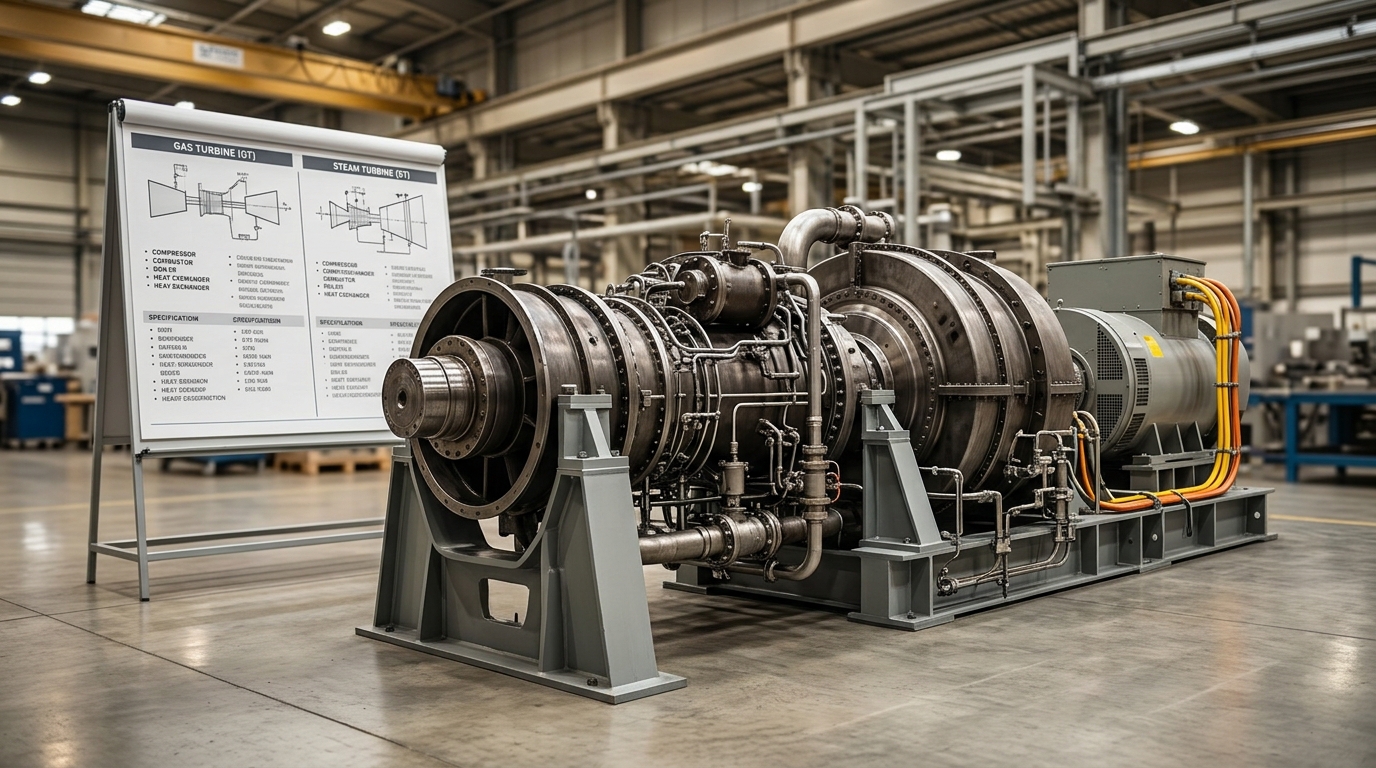
    Technology selection is one of the most consequential decisions in an industrial plant project. The technology chosen determines how the plant works, how efficient it is, how reliable it is, and how much it costs to build and operate. A good choice can deliver decades of reliable, efficient operation. A poor one can lead to underperformance, high costs, and constant problems.

    At EPC Partners Inc., we have supported technology evaluation and selection across a wide range of plant types: geothermal power plants in Kenya, Ethiopia, Indonesia, Iceland, and Japan; desalination facilities in the UAE, Saudi Arabia, Oman, and Qatar; thermal power plants in Vietnam, Bangladesh, and Japan; and water treatment plants in Vietnam, Kuwait, and Qatar. Each project has presented different options and different constraints, and each has reinforced the same lesson: the best technology is not the most advanced one. It is the one that best fits the plant, the site, and the owner’s long-term needs.

    This matters most for small to medium-scale industrial plants, where there is less margin for error. A technology that is unsuitable for the plant’s scale, fuel, or operating conditions can be difficult and expensive to fix after construction.

    This article explains the key practices in plant technology selection, from defining requirements to evaluating options and confirming the decision, drawing on our experience in Asia, the Middle East, Africa, and Europe.

    What Is Technology Selection?

    Technology selection is the structured process of choosing the technology a plant will use. It has six steps:

    1. Define requirements: what the technology must do.
    2. Identify options: which technologies are available.
    3. Screen options: which options meet the minimum requirements.
    4. Evaluate options: how the remaining options compare in detail.
    5. Select technology: which option is best overall.
    6. Confirm selection: whether the chosen technology is suitable once contract terms, risks, and stakeholder views are considered.

    The process should be transparent and documented, so that anyone can later see why a technology was chosen.

    Why Technology Selection Matters

    Technology selection directly affects plant performance.

    Technology selection process for industrial plant projects

    Factor Good Technology Selection Poor Technology Selection
    Performance Technology meets requirements Technology underperforms
    Reliability Technology proven and reliable Frequent failures
    Cost Lowest lifecycle cost Higher capital and operating costs
    Schedule Technology available and proven Delays and rework
    Compliance Technology meets regulations Non-compliance
    Safety Hazards understood and controlled Unmanaged process and equipment hazards
    Flexibility Technology adapts to changing needs Technology becomes obsolete

    For small plants, technology selection often decides whether the plant performs as required.

    When Technology Selection Happens

    Technology selection is not a single event. It progresses through project phases, with increasing detail and commitment.

    Phase Technology Selection Activity
    Feasibility study Screen broad technology families; confirm that a viable option exists
    Pre-FEED / FEED Narrow to a preferred technology; define performance and interface basis
    Bidding and contract award Confirm vendor, guarantees, and technical scope
    Detailed engineering Confirm integration, design details, and final equipment data

    The earlier the decision, the greater its influence on cost and performance, and the more expensive it is to reverse. Time spent on selection in the early phases is among the best-value effort in the whole project.

    On geothermal projects such as Olkaria I Unit 6 in Kenya (83 MW) and Muara Laboh in Indonesia (85.2 MW), technology selection begins during feasibility and is refined through FEED. The characteristics of the geothermal resource, namely steam quality, pressure, and non-condensable gas content, drive the choice of turbine and surface equipment.

    Step 1: Define Requirements

    Requirements describe what the plant needs, before any technology is considered. They should be specific, measurable, and achievable.

    Category Examples
    Performance Output, efficiency, emissions
    Fuel or resource Type, quality, availability
    Operating conditions Temperature, pressure, load profile
    Reliability Availability, maintenance requirements
    Compliance Regulatory and permit requirements
    Site Conditions, space, utilities
    Safety and environment Hazard exposure, environmental limits
    Cost Capital and operating cost
    Schedule Delivery and construction time

    It helps to separate mandatory requirements (must be met, or the option is eliminated) from desirable requirements (add value but are not essential). This distinction drives screening and evaluation later.

    Technical Requirements

    Technical requirements define what the technology must achieve: capacity, efficiency, emissions limits, the fuels or resources it must handle, the expected load profile, required turndown, reliability targets, and whether capacity must be expandable later. They should be based on the plant’s actual needs, not aspirational targets. A plant that will run at steady base load has very different needs from one that must follow a variable load.

    Commercial Requirements

    Commercial requirements set the financial and contractual limits: capital budget, acceptable operating cost, target lifecycle cost, available financing (and what lenders will require of the technology), the date the plant must be operating, and the level of risk the owner can accept. They should be realistic and aligned with the project’s objectives.

    Step 2: Identify Technology Options

    Options should be identified broadly before narrowing down. Useful sources include industry knowledge of similar plants, vendor information, technical literature, visits to operating plants, independent consultants, and trade shows. Using several sources reduces the risk of overlooking a good option or relying on a single vendor’s view of the market.

    Step 3: Screen Options

    Screening removes options that fail the mandatory requirements.

    Criterion Question
    Technical suitability Does the technology meet technical requirements?
    Commercial suitability Does it meet commercial requirements?
    Regulatory suitability Does it meet regulatory requirements?
    Availability Can it actually be supplied for this project?
    Maturity Is it proven (see TRL below)?

    Screening should use objective criteria, not preference. Record each eliminated option together with the reason, so the decision can be explained later.

    Technology Readiness Level (TRL)

    Technology readiness level (TRL) is a scale from 1 to 9 that indicates how mature a technology is, from basic research (TRL 1) to proven in operation (TRL 9). For industrial plants, TRL 8 or 9 is generally preferred.

    TRL Description
    1–2 Basic principles observed; concept formulated
    3–4 Proof of concept; laboratory validation
    5–6 Validation and demonstration in a relevant environment (pilot or prototype)
    7 Prototype demonstrated in an operational environment
    8 System complete and qualified
    9 System proven in successful operation

    A technology at TRL 5 or 6 may be promising, but it carries performance, schedule, and cost risks that a small plant is rarely positioned to absorb. TRL should be assessed for the technology at the scale and in the application proposed. A technology proven at large scale is not necessarily proven at small scale, and one proven on one fuel is not necessarily proven on another.

    Reference Plants

    Reference plants (operating plants using the same technology) provide valuable evidence of performance, reliability, and support. Visiting reference plants and speaking with their operators is one of the most effective ways to evaluate technology.

    When assessing a reference plant, consider:

    • Similarity: are the scale, fuel, and operating conditions comparable to the proposed plant?
    • Operating history: how long has it operated, and what are its actual availability and efficiency?
    • Problems and fixes: what issues have occurred, and how were they resolved?
    • Vendor support: how did the vendor respond when problems arose?
    • Independence: where possible, speak with operators without the vendor present.

    Vendor reference lists naturally highlight the best installations. Asking for the complete list, including the oldest and least successful, gives a more balanced picture. In our experience on geothermal projects in Kenya, Indonesia, and Iceland, speaking directly with operators has often revealed practical issues that vendor literature does not mention.

    Step 4: Evaluate Options

    Evaluation compares the remaining options in detail.

    Criterion Key Question
    Technical performance How well does it meet performance requirements?
    Reliability and maturity How proven and reliable is it?
    Capital cost What is the cost to acquire and install?
    Operating cost What are fuel, power, consumable, and labor costs?
    Lifecycle cost What is the total cost over the plant’s life?
    Compliance Does it meet regulations?
    Safety and environment What hazards and environmental impacts does it bring?
    Schedule Can it be delivered on time?
    Integration How well does it fit existing systems?
    Flexibility Can it adapt to changing needs?
    Vendor support Is support available over the plant’s life?

    The relative importance of each criterion depends on the project. Criteria and weights should be defined before evaluation begins and applied consistently. Defining them after seeing vendor proposals invites bias, whether intentional or not.

    Evaluation Methods

    Method Description When to Use
    Scoring matrix Score options against weighted criteria Most evaluations
    Lifecycle costing Compare lifecycle costs When cost is a key criterion
    Risk assessment Assess risks of each option When risk is significant
    Sensitivity analysis Test how results change When uncertainty is high
    Benchmarking Compare against similar plants When data is available

    In practice, methods are combined: a scoring matrix for the overall comparison, lifecycle costing for the cost criterion, and sensitivity analysis to test whether the ranking holds up.

    Scoring Matrix

    Technology evaluation scoring matrix for industrial plant projects

    A scoring matrix is the most common evaluation method. The steps are:

    1. Define criteria: decide what will be assessed.
    2. Assign weights: reflect each criterion’s importance. Weights should total 100%.
    3. Score options: rate each option against each criterion (for example, 1 to 5).
    4. Calculate weighted scores: multiply each score by its weight and sum.
    5. Rank options: the highest total is the leading option.
    6. Test the result: check whether the ranking changes if weights or scores change.

    An illustrative example (values are for demonstration only):

    Criterion Weight Option A Option B Option C
    Technical performance 25% 4 5 3
    Reliability / maturity 25% 5 3 4
    Lifecycle cost 25% 3 4 4
    Compliance and safety 10% 4 4 4
    Vendor support 10% 5 3 3
    Schedule 5% 4 3 4
    Weighted score 100% 4.10 3.85 3.65

    For Option A, the calculation is (0.25 × 4) + (0.25 × 5) + (0.25 × 3) + (0.10 × 4) + (0.10 × 5) + (0.05 × 4) = 4.10.

    Scoring matrices make evaluation transparent and consistent. Their weakness is that a good average can hide a critical weakness, so mandatory requirements should be handled in screening (pass or fail), not traded off in the scores.

    Lifecycle Costing

    Lifecycle costing compares the total cost of each option over its life:

    • Capital cost: acquisition and installation.
    • Operating cost: fuel, power, and consumables.
    • Maintenance cost: inspection, repair, and replacement.
    • Downtime cost: lost production.
    • Decommissioning cost: shutdown and disposal.

    Fuel price, plant utilization, and discount rate are often the assumptions with the largest influence on the result. An option with higher capital cost frequently wins on lifecycle cost, which is why selecting on capital cost alone is a common mistake. Lifecycle cost estimates should use realistic assumptions and be tested with sensitivity analysis.

    Sensitivity Analysis

    Sensitivity analysis tests how robust the result is. If the preferred option changes when a key assumption (fuel price, efficiency, availability, or a criterion weight) moves within a realistic range, the decision is fragile and deserves more scrutiny. If the ranking stays the same, confidence in the decision is much higher.

    Technology Risk Assessment

    Risk assessment identifies and evaluates the risks of each technology, including their likelihood and impact, and identifies mitigation measures such as performance guarantees, pilot testing, or vendor support commitments.

    Risk Description
    Technical risk Technology may not perform as expected
    Maturity risk Technology may be unproven
    Scale-up risk Performance proven at one scale may not hold at another
    Vendor risk Vendor may not deliver or support
    Regulatory risk Technology may not meet regulations
    Obsolescence risk Technology may become obsolete
    Integration risk Technology may not integrate with other systems
    Operability risk Technology may be too complex for available staff

    Technology Integration

    Technology integration considers how the new technology will interface with existing systems: control systems, utilities, and infrastructure. Integration risks should be assessed as part of technology selection. Key questions:

    • Control systems: is the technology compatible with the plant control system and communication protocols?
    • Utilities: can existing utilities (power, water, steam, compressed air) supply it?
    • Infrastructure: does the site have the space, foundations, and access it needs?
    • Existing equipment: does it work with existing equipment in brownfield projects?
    • Interfaces: who is responsible for each interface between suppliers?

    A technology that performs well on its own but integrates poorly can still fail to deliver the plant’s required performance.

    Role of Operations and Maintenance

    Operations and maintenance personnel should be involved in technology selection. Their experience with existing equipment can identify practical issues (maintainability, spare parts, and operating complexity) that may not be visible to engineers. They can answer questions such as:

    • Can equipment be accessed and repaired safely and quickly?
    • Are spare parts available locally, and at what lead time and cost?
    • Can the available staff operate the technology reliably?
    • What training is needed, and is the necessary skill base available?
    • What has worked or failed in similar equipment already on site?

    The people who will run the plant for decades should have a voice in choosing it.

    Proven Technology vs. Innovation

    A key decision is whether to use proven or innovative technology.

    Aspect Proven Technology Innovative Technology
    Risk Lower Higher
    Performance Known Potentially better
    Cost Known Uncertain
    Support Widely available Limited
    Schedule Predictable Uncertain
    Financing Easier to finance May require extra guarantees or lender comfort

    For small plants, proven technology is often the safer choice. If innovative technology is considered, risk can be reduced through pilot or demonstration testing, strong performance guarantees, a fallback option, and contingency in cost and schedule.

    An Illustrative Example: Choosing a Geothermal Power Conversion Technology

    The following simplified example shows how requirements drive technology choice. It is illustrative, not a description of a specific project.

    A geothermal developer must choose between a flash steam plant and a binary (organic Rankine cycle) plant. The requirements and resource data point in different directions:

    • Resource temperature: high-temperature reservoirs generally suit flash steam plants, while lower-temperature resources often suit binary plants.
    • Non-condensable gases: a high gas content increases the power needed to remove gas from the condenser in a flash plant, which reduces net output. A binary plant keeps the geothermal fluid in a closed loop, which can reduce emissions and gas-handling issues.
    • Brine chemistry: scaling and corrosion tendencies affect heat exchanger and piping design.
    • Cooling: water availability or ambient temperature affects cooling system choice and output.
    • Reference plants: the team visits operating plants with similar resources to compare real availability and maintenance experience.

    A scoring matrix and lifecycle cost comparison are then tested with sensitivity analysis on resource performance and gas content. The lesson is that resource data, not vendor preference, should lead the decision, and that measured field data should be available before the technology is fixed.

    Vendor Evaluation

    Vendor evaluation is an important part of technology selection. Assess:

    • Experience: has the vendor supplied similar technology at similar scale?
    • References: what do previous customers say?
    • Financial strength: is the vendor stable enough to honor warranties?
    • Support and spare parts: is service and parts supply available locally and over the plant’s life?
    • Training: does the vendor train operators and maintenance staff?
    • Guarantees: what performance guarantees and warranties will the vendor commit to?

    On geothermal and thermal projects, we have seen that strong vendor support, particularly for specialized equipment such as turbines and control systems, can make the difference between a smooth project and a difficult one.

    Performance Guarantees and Contract Terms

    Technology selection should be linked to the contract. Claims made during evaluation (efficiency, availability, emissions, output) should become measurable guarantees with defined test methods and consequences, such as liquidated damages, for shortfalls. A technology advantage that is not backed by a guarantee is only a promise.

    Confirming and Documenting the Decision

    Before final approval, confirm the selection through five reviews:

    • Technical review: does the technology meet all requirements?
    • Commercial review: is the commercial case sound?
    • Risk review: are the risks acceptable?
    • Stakeholder review: do stakeholders agree?
    • Contract review: are the contract terms acceptable?

    Then document the decision in a technology selection report. It should capture the requirements, options considered, screening results, evaluation method and scores, risk assessment, assumptions, and the reasons for the final choice. This record protects the project when questions arise later, helps new team members understand the basis of design, and supports lessons learned on future projects.

    Technology Selection in Small Plants

    Small plants face particular challenges: fewer resources for evaluation, less in-house expertise, less access to vendor information, and competing priorities. Practical approaches include:

    • Focus on proven technology to reduce risk.
    • Use vendor data and references, but verify them independently.
    • Seek expert advice from consultants or experienced colleagues.
    • Visit operating plants to see the technology in service.
    • Involve operations and maintenance early.
    • Document decisions so the basis is on record.
    • Consider lifecycle cost, not just capital cost.

    Technology selection does not need to be complex. It needs to be thorough and honest.

    Common Mistakes in Technology Selection

    Even experienced organizations make mistakes. Common ones include:

    • Selecting on capital cost alone, ignoring operating and lifecycle costs.
    • Choosing unproven technology and taking excessive risk.
    • Ignoring site conditions or fuel quality, so the technology does not suit the plant.
    • Ignoring regulatory requirements, so the technology cannot meet them.
    • Having no evaluation criteria, or setting criteria after seeing proposals.
    • Ignoring scale, assuming performance at one scale applies at another.
    • Ignoring integration with existing systems.
    • Excluding operations and maintenance and missing practical issues.
    • Not documenting the decision.
    • Rushing the selection, leaving insufficient time for thorough evaluation.
    • Ignoring vendor support.

    These mistakes are costly to correct. They are much cheaper to avoid through disciplined technology selection.

    How EPC Partners Inc. Approaches Technology Selection

    Our approach is built on a few principles:

    • Resource and site data first: requirements come from measured conditions, not assumptions.
    • Clear criteria set in advance: weights are agreed before proposals are reviewed.
    • Preference for proven technology where reliability is the priority.
    • Lifecycle focus: operating, maintenance, and downtime costs are considered alongside capital cost.
    • Evidence from operating plants: reference visits and operator interviews.
    • Documented decisions: a selection report that others can review.

    These principles reflect our work supporting power, water, and industrial plant projects across Asia, the Middle East, Africa, and Europe.

    How to Evaluate Technology Selection Readiness

    When reviewing a technology selection, ask:

    Question Why It Matters
    Are requirements clearly defined? Defines what the technology must do
    Have all options been identified? Ensures none is overlooked
    Is technology maturity (TRL) assessed? Avoids unproven technology
    Have reference plants been visited or consulted? Provides evidence of real performance
    Are options evaluated against criteria set in advance? Ensures consistent evaluation
    Is lifecycle cost considered? Ensures total cost is understood
    Is risk assessed, including integration? Accounts for uncertainty
    Have operations and maintenance been involved? Captures practical experience
    Is vendor support evaluated? Ensures support is available
    Are guarantees defined in the contract? Turns claims into commitments
    Is the selection documented and confirmed? Ensures transparency and suitability

    A project that can answer these questions is ready for sound technology selection.

    Frequently Asked Questions

    What is the first step in selecting plant technology? Define the requirements: performance, fuel or resource, operating conditions, reliability, compliance, site, cost, and schedule. Without clear requirements, options cannot be compared fairly.

    What TRL should an industrial plant technology have? TRL 8 or 9 is generally preferred, meaning the system is complete and qualified or proven in operation. Lower TRLs add risk that most plant owners, especially of small plants, are not positioned to absorb.

    Should we choose the cheapest technology? Not on capital cost alone. Operating, maintenance, and downtime costs over the plant’s life often outweigh the initial price difference, so lifecycle cost should be compared.

    How important are reference plants? Very. They show real availability, efficiency, and maintenance experience. Visit them and talk to operators where possible.

    Who should be involved in the decision? Engineers, commercial and project staff, and the operations and maintenance personnel who will run the plant, with input from independent experts where in-house experience is limited.

    Conclusion

    Technology selection is critical to plant success. For small to medium-scale industrial plants, it determines whether the plant performs as required, reliably and economically.

    By focusing on requirements definition, option identification, maturity assessment, evaluation, risk assessment, vendor evaluation, and confirmation, and by involving operations and maintenance along the way, owners and project teams can ensure that the technology selected is the best fit for the plant.

    Key Takeaways

    • Technology selection determines how the plant works, how efficient it is, and how much it costs
    • The process includes requirements definition, option identification, screening, evaluation, selection, and confirmation
    • Requirements cover performance, fuel, operating conditions, reliability, compliance, site, cost, and schedule
    • Technology readiness level (TRL) indicates maturity; TRL 8 or 9 is generally preferred for industrial plants
    • Reference plants provide evidence of performance, reliability, and support
    • Evaluation methods include scoring matrices, lifecycle costing, risk assessment, and sensitivity analysis
    • Integration with existing control systems, utilities, and infrastructure should be assessed as part of selection
    • Operations and maintenance personnel should be involved in the decision
    • Proven technology offers lower risk; innovative technology may offer better performance but higher risk
    • Vendor evaluation and contract guarantees are part of technology selection
    • Small plants should focus on proven technology and lifecycle cost

    References and Further Reading

    • ISO 16290:2013, Space systems — Definition of the Technology Readiness Levels (TRLs) and their criteria of assessment
    • ISO 31000:2018, Risk management — Guidelines
    • IEC 60300-3-3, Dependability management — Application guide — Life cycle costing

    About the Author

    EPC Partners Inc. is a Japanese EPC support firm with experience supporting power, water, and industrial plant projects across Asia, the Middle East, Africa, and Europe. For more information, visit our project list.
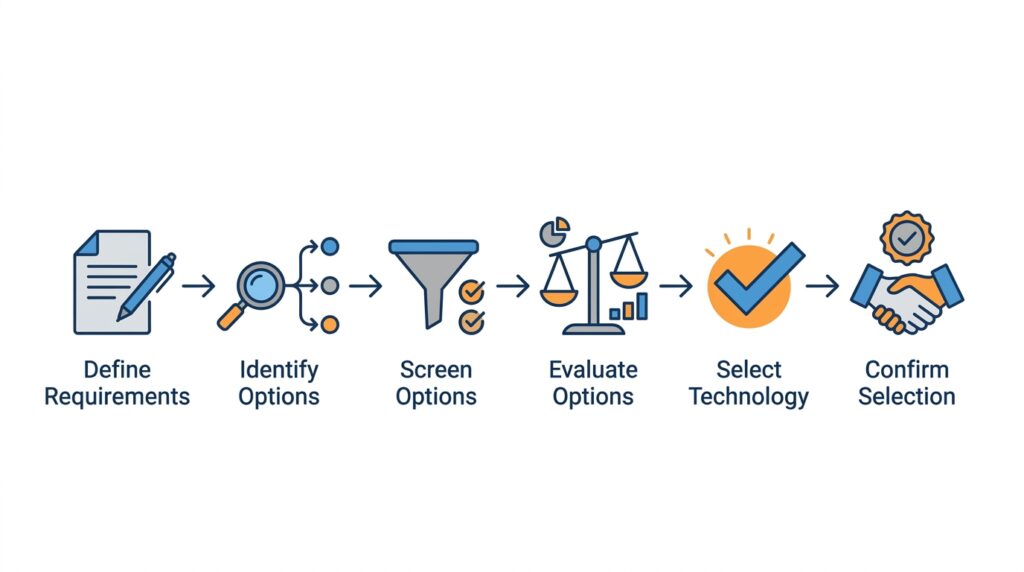
    This article provides general information for educational purposes. Technology selection for a specific project should be based on project-specific data and qualified engineering advice.

  • Plant Feasibility Studies: Key Practices for EPC Projects

    Plant Feasibility Studies: Key Practices for EPC Projects

    By EPC Partners Inc. Engineering Team

    Every industrial plant begins with a question: is this project worth doing? Before a single drawing is produced or a single piece of equipment is ordered, someone must decide whether the plant is technically feasible, economically viable, and socially and environmentally acceptable. That decision is the purpose of a feasibility study.

    At EPC Partners Inc., we have supported project development and engineering across a wide range of plant types. These include geothermal power plants in Kenya, Ethiopia, and Indonesia, large-scale desalination facilities in the UAE and Saudi Arabia, thermal power plants in Vietnam and Bangladesh, and water treatment plants in Vietnam and Kuwait. Each project presented different technical, economic, and regulatory challenges, and each reinforced the same lesson: a thorough and honest feasibility study is the foundation of every successful plant.

    For small to medium-scale industrial plants, feasibility studies are especially important because there is less margin for error. A project that looks attractive on paper but proves unviable in practice can waste years of effort and significant capital.

    This article covers the key practices in plant feasibility studies, from scope definition to financial analysis and the final go/no-go decision, drawing on our experience across Asia, the Middle East, Africa, and Europe.

    What Is a Feasibility Study?

    A feasibility study is a structured assessment of a proposed project to determine whether it should proceed. It looks at the project from six angles:

    • Technical feasibility: Can the plant be built and operated as proposed?
    • Economic feasibility: Does the project create value, given market, price, and cost?
    • Financial feasibility: Can the project be funded, and can the debt be repaid?
    • Environmental feasibility: Is the project environmentally acceptable?
    • Regulatory feasibility: Can the project obtain the required approvals?
    • Social feasibility: Is the project socially acceptable?

    The result is the basis for the decision to proceed, modify, or abandon the project.

    Why Feasibility Studies Matter

    Factor Good Feasibility Study Poor Feasibility Study
    Investment Sound investment decision Poor investment decision
    Risk Risks identified and assessed Risks overlooked
    Cost Realistic cost estimates Cost overruns
    Schedule Realistic schedule Delays
    Financing Financing secured Financing problems
    Approvals Approvals obtained Approval problems

    For small plants, where capital is limited, the feasibility study determines whether the project is a good use of resources.

    Feasibility Study Stages

    Feasibility studies are usually conducted in stages, each building on the previous one with more detail and confidence.

    Stages of a feasibility study for industrial plants

    Stage Description Purpose Typical cost estimate accuracy*
    Opportunity study Preliminary assessment of project ideas Identify promising opportunities About -20% to -50% / +30% to +100% (AACE Class 5)
    Pre-feasibility study Preliminary assessment of a specific project Decide whether to proceed to feasibility About -15% to -30% / +20% to +50% (AACE Class 4)
    Feasibility study Detailed assessment of a specific project Support the investment decision About -10% to -20% / +10% to +30% (AACE Class 3)
    Bankable feasibility study Feasibility study suitable for financing Support the financing decision Class 3 or better, often tightened by FEED data

    *Indicative only. Ranges vary by industry and estimating practice. See AACE International Recommended Practice 18R-97.

    Level of detail by stage. The level of detail in a feasibility study should match its stage. An opportunity study may be a few pages, while a bankable feasibility study may be hundreds of pages with detailed engineering, financial models, and environmental assessments. Spending too much on early stages wastes money on ideas that will not proceed. Spending too little on later stages leaves the investment decision poorly supported.

    On geothermal projects such as Olkaria I Unit 6 in Kenya (83 MW) and Muara Laboh in Indonesia (85.2 MW), confirming the resource (steam quality, pressure, and non-condensable gas content) is a decisive step before committing to detailed design and construction.

    Technical Feasibility

    Technical feasibility considerations for industrial plants

    Technical feasibility assesses whether the plant can be built and operated as proposed, and it should rest on engineering assessment rather than assumptions. The study needs to confirm that the technology is proven and available, that the site is suitable, and that the required resources and infrastructure exist. It also has to show that the proposed scale is appropriate and that the plant can be built within the required timeframe. A weakness in any one of these areas can undermine the whole project, however strong the others look.

    Site Selection

    Site selection is a critical part of technical feasibility. Alternatives should be compared against all of the criteria below, because a site that is excellent on one criterion can fail on another.

    Criterion Description
    Land Adequate area, suitable topography, and secure land rights
    Access Roads, rail, ports, and heavy-haul routes
    Utilities Power, water, and other utilities, including grid connection
    Resources Proximity to fuel, raw materials, and markets
    Environment Environmental conditions and constraints (flood, seismic, climate)
    Regulatory Zoning and regulatory requirements
    Social Proximity to communities and social impact

    For large desalination projects in the Gulf, such as Taweelah (909,200 m³/day) and Jubail 3A (600,000 m³/day), the dominant site factors are access to seawater for intake and outfall, grid connection, and proximity to the water distribution network.

    Technology Selection

    Technology selection should rest on both technical and commercial assessment. The technology should be proven in similar applications and meet performance requirements. Its capital and operating costs should be understood, and it should be available from more than one vendor, with vendor support, spare parts, and service. It also has to meet regulatory requirements. A technology that wins on performance but has a single supplier or weak local support can become a long-term operating risk.

    For thermal power projects such as Thai Binh 1 in Vietnam (2×300 MW) and Bibiyana-III in Bangladesh (400 MW CCGT), technology choices depend on fuel availability, grid requirements, and the plant’s operating profile.

    Cost Estimate and Schedule

    Feasibility conclusions are only as good as the capital cost and schedule behind them. The cost estimate needs a clear basis (scope, quantities, vendor quotes, and benchmarks). It also needs an accuracy range appropriate to the stage and explicit allowances for escalation and contingency.

    Owner’s costs are often forgotten. They include development, permitting, land, owner’s engineering, insurance, spares, commissioning, startup, and interest during construction. The schedule should cover permitting, financing, long-lead equipment, construction, and commissioning.

    Optimism bias is most dangerous here. Benchmarking against comparable completed projects is one of the best safeguards.

    Project Delivery and Contracting Strategy

    The feasibility study should consider how the project will be delivered, because this affects cost, risk allocation, and financeability. Options such as EPC (lump-sum turnkey), EPCM, or multi-contract approaches should be compared. Lenders often prefer fixed-price, date-certain EPC contracts with performance guarantees. A feasibility study that assumes a delivery model the market cannot support, or that lenders will not accept, has a weak foundation.

    Economic Feasibility

    Economic feasibility assesses whether the project is economically viable. It asks whether there is a market for the plant’s output, what price that output can command, what it costs to produce, and what margin results. It also asks who the competitors are and what demand is expected. The answers should rest on credible data covering demand, supply, price, competition, customers, and regulation, both now and in the future.

    Offtake and Supply Arrangements

    For many plants, revenue and input costs depend on long-term contracts. Feasibility should test whether offtake agreements (such as power purchase agreements or product sales contracts) and fuel or feedstock supply agreements are obtainable, at what prices, and for what term. Lenders usually look for these agreements to be in place or close to agreement before financial close.

    In our experience supporting geothermal and thermal projects, the availability and terms of power purchase agreements were often as important as the technical feasibility of the plant itself.

    Financial Feasibility

    Financial feasibility assesses whether the project can be funded and the funding repaid. It should include a full financial model that covers:

    • Capital cost: total installed cost and financing costs.
    • Operating cost: annual operating and maintenance costs, including fuel and feedstock.
    • Revenue: expected annual revenue.
    • Cash flow: expected cash flow over the plant’s life.
    • Financing structure: debt and equity mix, loan terms, and cost of capital.
    • Taxes, incentives, currency, and inflation assumptions.
    • End-of-life costs: decommissioning or residual value.

    Financial Analysis

    Method Description
    Net present value (NPV) Present value of future cash flows, discounted at an appropriate rate
    Internal rate of return (IRR) Discount rate at which NPV equals zero
    Payback period Time to recover the investment (ignores time value and later cash flows, so use as a screening measure)
    Debt service coverage ratio (DSCR) Ability of cash flow to service debt
    Levelized cost Lifetime cost per unit of output

    Financial analysis should be based on realistic assumptions and tested with sensitivity analysis.

    Environmental Feasibility

    Environmental feasibility assesses whether the project is environmentally acceptable. The study should examine the overall effect on air, water, land, and ecology, and what the plant will emit, including greenhouse gases. It should also cover how water will be sourced, used, and discharged, how waste will be managed, and which environmental permits are required. An environmental impact assessment should be included where required. Lenders often expect alignment with international standards such as the IFC Performance Standards or the Equator Principles.

    For desalination projects in the Gulf, environmental feasibility includes assessing marine impacts from intake and outfall structures and managing brine discharge.

    Regulatory Feasibility

    Regulatory feasibility assesses whether the project can obtain the required approvals. It should identify which permits and approvals are needed and from whom, how long they will take, and whether the project can comply. It should also consider whether regulations are likely to change during development. This should be assessed early, because approvals can be time-consuming and can determine the critical path.

    For projects in Japan (Asahikasei Mizushima, 29.1 MW) and Qatar (Al Kharsaah, 800 MW solar), regulatory requirements and permitting timelines were significant factors in project planning.

    Social Feasibility

    Social feasibility assesses whether the project is socially acceptable. The study should consider community impact, including noise, traffic, and visual effects, along with the employment the project will create and the infrastructure it will require. It should also address resettlement, if any is involved, and whether the community has been consulted.

    The Role of Stakeholders

    Stakeholder consultation, with regulators, communities, and potential customers, provides valuable input to the feasibility study and helps identify issues early. Issues that surface during feasibility can be addressed by design or planning. The same issues discovered during construction can stop the project.

    Risk Assessment

    Risk assessment identifies and evaluates project risks by assessing their likelihood and impact.

    Risk Description
    Technical Technology does not perform as expected
    Market Market does not develop as expected
    Cost Costs exceed estimates
    Schedule Project is delayed
    Regulatory Approvals are delayed or denied
    Environmental Environmental issues arise
    Social Community opposition
    Financial Financing is unavailable or its terms change
    Contractual Counterparties fail to perform

    Sensitivity Analysis

    Sensitivity analysis tests how results change with different assumptions. It should cover the key variables (capital cost, price, volume, fuel cost, availability, delay, and interest rate). It should also cover the plausible range for each variable and how each affects NPV, IRR, and DSCR. Combined scenarios such as base, downside, and upside cases are also useful. It shows whether the project remains viable when assumptions turn out wrong, which they often do.

    A Simple Sensitivity Example

    Consider a hypothetical plant with a capital cost of 50 million, annual revenue of 20 million, and annual operating cost of 11 million. Net cash flow is 9 million per year over 15 years. Discounted at 10%, the NPV is about +18 million and the IRR about 16%. The figures are simplified and ignore tax, construction period, and working capital.

    Case Annual net cash flow NPV (approx.)
    Base case 9.0 million +18.5 million
    Capital cost +20% (60 million) 9.0 million +8.5 million
    Revenue -15% (17 million) 6.0 million -4.4 million
    Both together 6.0 million -14.4 million

    A 20% capital overrun reduces the margin but leaves the project viable. A 15% revenue shortfall makes it unviable on its own. Many owners focus on capital cost, but conclusions are often more sensitive to price and volume assumptions. This is why market analysis and offtake agreements deserve as much attention as the cost estimate.

    Independent Review and Due Diligence

    Independent review of a feasibility study, by a third party not involved in preparing it, adds credibility and helps identify biases or gaps. Lenders and investors often require independent review (technical, market, environmental, and financial due diligence) before committing funds.

    The Go/No-Go Decision

    The feasibility study should culminate in a clear recommendation: proceed, modify, or abandon. The recommendation should be supported by the analysis and should identify the key risks and conditions. Many owners use stage gates with defined criteria, so the decision is made against agreed thresholds rather than momentum. “No-go” is a legitimate and valuable outcome, since it avoids a much costlier failure later.

    Feasibility Study Report

    The report should be clear, complete, and well-structured. A typical report contains:

    • Executive summary: findings, recommendation, and key conditions.
    • Background: project context and objectives.
    • Technical assessment: site, technology, scale, cost, and schedule.
    • Market and economic assessment: demand, price, and competitiveness.
    • Financial assessment: model results, funding plan, and key metrics.
    • Environmental, regulatory, and social assessments: impacts, approvals, and engagement.
    • Risk and sensitivity analysis: key risks, mitigations, and scenarios.
    • Conclusions and recommendations: go/no-go recommendation, assumptions, and next steps.

    From Feasibility to FEED

    A positive decision leads to the next phase, typically front-end engineering design (FEED), where scope, cost, and schedule are defined in more detail. The feasibility study should hand over its assumptions, design basis, risk register, and open issues so that nothing learned is lost.

    Feasibility Studies in Small Plants

    Small plants face particular challenges: fewer resources, less data, less expertise, and competing priorities. The practical answer is to focus on the most important feasibility questions rather than trying to cover everything at the same depth. Industry data and benchmarks can stand in for detailed studies where data is scarce, and outside experts can be brought in for specific questions. Conservative assumptions protect against optimism, and sensitivity testing shows how much the conclusion depends on each assumption. Documenting the basis for the analysis lets others check it later.

    Feasibility studies do not need to be complex. They need to be thorough and honest.

    Common Mistakes in Feasibility Studies

    • Optimism bias: overestimating benefits and underestimating costs, which is the most common cause of projects that look good on paper and fail in practice.
    • Incomplete analysis or poor data: missing key feasibility aspects or relying on unreliable data, so the conclusions cannot be trusted.
    • No sensitivity analysis, or ignoring risk: not testing how results change with assumptions or accounting for uncertainty, which hides how fragile the case is.
    • Ignoring environmental and social issues: focusing only on technical and economic aspects, then facing permit delays or community opposition later.
    • No stakeholder consultation: missing regulator and community concerns until they become expensive to address.
    • Underestimating owner’s costs and contingency: which leads directly to budget overruns.
    • Rushed study: insufficient time for thorough analysis.
    • No independent review: leaving biases and gaps unchallenged.
    • Predetermined outcome: using the study to justify a decision already made.

    These mistakes are costly to correct. They are much cheaper to avoid through disciplined feasibility studies.

    How EPC Partners Inc. Approaches Feasibility Studies

    At EPC Partners Inc., we bring practical experience from projects across Asia, the Middle East, Africa, and Europe. Our approach is built on a few principles. We assess all feasibility aspects thoroughly and use assumptions that are realistic rather than optimistic. We test results against different assumptions, identify and assess risks, and document the work transparently. We favor independent review and assess feasibility over the plant’s entire life, not just the construction period.

    Our experience includes supporting geothermal projects in Kenya, Ethiopia, Indonesia, Iceland, and Japan; desalination projects in the UAE, Saudi Arabia, Oman, and Qatar; thermal power projects in Vietnam, Bangladesh, and Japan; and water treatment projects in Vietnam, Kuwait, and Qatar. We have also supported clients including Marubeni Corporation, Fuji Electric Co., Ltd., and Toyota Tsusho Corporation on project development aspects of their projects.

    How to Evaluate Feasibility Study Readiness

    Question Why It Matters
    Is the study comprehensive? Covers all key feasibility aspects
    Are assumptions realistic? Ensures results are meaningful
    Is data reliable? Ensures analysis is credible
    Are cost and schedule estimates benchmarked, with contingency? Guards against overruns
    Is sensitivity analysis performed? Tests how results change with assumptions
    Is risk assessed? Accounts for uncertainty
    Are environmental and social issues addressed? Ensures comprehensive assessment
    Have stakeholders been consulted? Ensures social acceptability
    Are offtake and supply arrangements realistic? Underpins revenue and cost assumptions
    Has the study been reviewed independently? Ensures quality and credibility
    Is there a clear go/no-go recommendation with conditions? Supports a decision

    A study that addresses these questions is ready to support a sound investment decision.

    Frequently Asked Questions

    How long does a feasibility study take? It depends on the project’s size and stage. An opportunity study may take weeks, while a bankable feasibility study can take many months because of detailed engineering, environmental baseline work, and financial modeling.

    Who should prepare a feasibility study? Usually a multidisciplinary team of engineering, financial, environmental, and market specialists, with independent review before financing.

    What is the difference between a feasibility study and FEED? A feasibility study decides whether to proceed. FEED defines the scope, cost, and schedule needed to execute the project.

    Is a feasibility study required for financing? Lenders generally require a bankable feasibility study, supported by independent technical, market, and environmental review, before committing funds.

    Conclusion

    Feasibility studies are the foundation of sound investment decisions. For small to medium-scale industrial plants, they determine whether the project is worth doing.

    By focusing on technical, economic, financial, environmental, regulatory, and social feasibility, together with risk assessment, sensitivity analysis, independent review, and a clear go/no-go recommendation, owners and project teams can ensure that investment decisions rest on a thorough and honest assessment of the project.

    Key Takeaways

    • Feasibility studies assess whether a project is technically feasible, economically viable, and socially and environmentally acceptable.
    • Studies are conducted in stages (opportunity, pre-feasibility, feasibility, bankable feasibility), with detail matched to each stage.
    • Technical feasibility covers technology, site, resources, infrastructure, scale, and schedule.
    • Economic and financial feasibility cover market, price, cost, margin, offtake, and financing.
    • Environmental, regulatory, and social feasibility are critical and often overlooked.
    • Risk assessment and sensitivity analysis test how robust the study is. Price and volume assumptions often matter as much as capital cost.
    • Independent review and stakeholder consultation add credibility and surface issues early.
    • The study should end in a clear recommendation: proceed, modify, or abandon.
    • Small plants can focus on key issues and use available data.

    References

    • AACE International, Recommended Practice 18R-97, Cost Estimate Classification System – As Applied in Engineering, Procurement, and Construction for the Process Industries.
    • International Finance Corporation (IFC), Performance Standards on Environmental and Social Sustainability.
    • The Equator Principles Association, The Equator Principles.

    This article is for general information and does not replace project-specific engineering, legal, or financial advice.

    EPC Partners Inc. is a Japanese EPC support firm with experience supporting power, water, and industrial plant projects across Asia, the Middle East, Africa, and Europe. For more information, visit our project list.
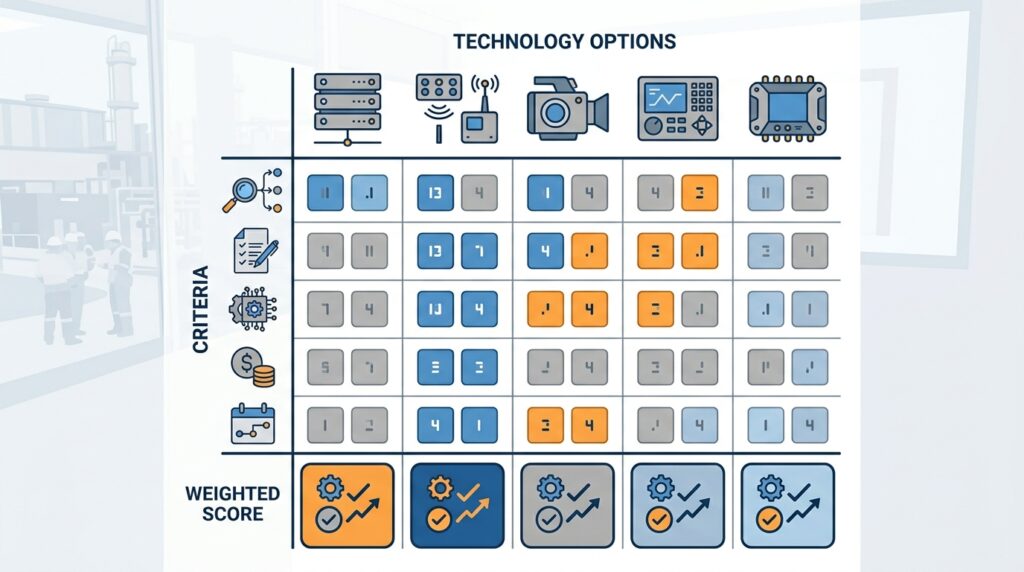
  • Plant Project Closeout: Key Practices for EPC Projects

    Plant Project Closeout: Key Practices for EPC Projects

    Every project eventually comes to an end. The plant is built, commissioned, handed over, and operating. But the project is not truly complete until it has been formally closed out. Closeout is the final phase of the project lifecycle, where loose ends are tied up, obligations are fulfilled, documents are archived, and the project team is released.

    Closeout is often the least glamorous phase of a project. By the time it happens, the excitement of construction is over, the plant is running, and attention has moved to other things. But a poorly managed closeout leaves unresolved issues, incomplete documentation, and lingering liabilities that can affect the owner for years.

    For small to medium-scale industrial plants, project closeout is especially important because there is less redundancy and fewer resources to absorb the consequences of an incomplete closeout. A clean closeout ensures that the owner has everything needed to operate, maintain, and improve the plant, and that there are no surprises later.

    This article covers the key practices in plant project closeout, from closeout planning to final documentation, financial settlement, warranty management, and lessons learned.

    What Is Project Closeout?

    Project closeout is the process of completing all remaining work and formally closing the project.

    It includes:

    • Scope completion: Ensuring all scope is complete.
    • Punch list closure: Closing out outstanding items.
    • Documentation completion: Completing and archiving documentation.
    • Financial settlement: Settling all financial matters.
    • Contract closure: Closing out contracts, including issuing closeout certificates.
    • Asset handover: Handing over assets to operations.
    • Warranty and post-closeout support: Establishing arrangements that continue after closeout.
    • Lessons learned: Capturing lessons for future projects.
    • Team release: Releasing the project team.

    Closeout is the formal end of the project, but it is also the beginning of the plant’s operating life.

    Why Project Closeout Matters

    Closeout determines whether the project is truly complete.

    Factor Impact of Good Closeout Impact of Poor Closeout
    Completion Project formally closed Project lingers with open items
    Documentation Complete and archived Incomplete or lost
    Financial All accounts settled Disputes and unresolved claims
    Contracts All contracts closed Contracts remain open
    Assets Assets handed over cleanly Assets with unclear ownership
    Warranty Terms and dates clearly tracked Warranty rights lapse unnoticed
    Lessons Lessons captured and applied Lessons lost
    Team Team released cleanly Team members left in limbo

    For small plants, where there is less margin for error, closeout determines whether the project is truly finished.

    Closeout Planning

    Closeout should be planned from the beginning of the project, not left to the end.

    Closeout planning activities:

    • Define closeout criteria: What must be complete before closeout?
    • Define closeout process: What are the steps in the closeout?
    • Define responsibilities: Who is responsible for what?
    • Define documentation requirements: What documents must be completed?
    • Define financial requirements: What must be settled?
    • Define post-closeout arrangements: What warranty, support, and records retention arrangements apply?
    • Schedule closeout activities: When will each activity occur?

    Closeout planning should be integrated into the overall project plan.

    Closeout Criteria

    Closeout criteria define what must be complete before the project can be closed.

    Criterion Description
    Scope complete All scope is complete
    Punch list closed All punch list items are closed
    Documentation complete All documents are complete and archived
    Financial settled All accounts are settled
    Contracts closed All contracts are closed and certificates issued
    Assets handed over Assets are handed over to operations
    Warranty arrangements in place Warranty terms, dates, and contacts are recorded
    Lessons learned Lessons are captured

    Closeout criteria should be defined in the contract and agreed by both parties.

    Punch List Closure

    The punch list is a record of outstanding items that must be completed before closeout.

    Punch list closure activities:

    • Review punch list: Review all open items.
    • Assign responsibility: Assign responsibility for each item.
    • Set deadlines: Set deadlines for completion.
    • Track progress: Track completion of each item.
    • Verify completion: Verify that items are completed correctly.
    • Close items: Close items when complete.

    Punch list items should be closed before final closeout, or formally accepted with a plan for completion, including owner, deadline, and any funds held back to cover the work.

    Documentation Completion

    Documentation must be complete and archived before closeout.

    Document Type Examples
    As-built drawings P&IDs, isometrics, electrical drawings
    Equipment manuals Vendor manuals, operating instructions
    Test records Commissioning records, test certificates
    Quality records Inspection reports, material certificates
    Operating procedures Startup, operation, shutdown procedures
    Maintenance procedures Inspection, maintenance, repair procedures
    Safety procedures Emergency procedures, safety data sheets
    Spare parts lists Recommended spares, supplier information
    Warranty documents Warranty terms, contact information
    Permits and regulatory records Operating permits, inspection certificates

    Documentation should be complete, accurate, and archived in a form that is accessible for future use.

    Financial Settlement

    Financial settlement ensures that all financial matters are resolved.

    Financial settlement activities:

    • Final payment: Make final payment.
    • Retention release: Release any retention, subject to the conditions in the contract.
    • Claims settlement: Settle any outstanding claims.
    • Final accounts: Agree final accounts.
    • Closeout costs: Account for closeout costs.
    • Subcontractor and supplier payments: Confirm that downstream parties have been paid, to avoid liens or claims against the owner.

    Financial settlement should be completed before final closeout.

    Contract Closure

    Contract closure ensures that all contracts are formally closed.

    Contract closure activities:

    • Contract completion: Confirm that all contract obligations are met.
    • Contract closeout certificate: Issue a certificate confirming contract completion.
    • Warranty confirmation: Confirm warranty terms and start date.
    • Contract archive: Archive contract documents.

    Contract closure should be documented and signed by both parties.

    Closeout Certificates

    A closeout certificate is a formal document confirming that the project has been completed and that all contractual obligations have been met. It is typically signed by both the owner and the contractor and marks the formal end of the project.

    Because the certificate often triggers final payment, retention release, and the end of certain liabilities, it should be issued only after closeout criteria have been verified.

    Asset Handover

    Asset handover ensures that assets are formally transferred to operations.

    Asset handover activities:

    • Asset register handover: Hand over the asset register.
    • Documentation handover: Hand over technical documentation.
    • Spare parts handover: Hand over spare parts and inventory.
    • Training completion: Confirm that training is complete.
    • Asset acceptance: Operations accept the assets.

    Asset handover should be documented and signed by both parties.

    Warranty Management After Closeout

    Warranty management does not end with project closeout. Warranties typically continue for a defined period after handover, and the owner must track warranty expiry dates, manage defects, and make claims before the warranty period ends.

    Good warranty management includes:

    • Warranty register: Record each warranty, its start date, expiry date, scope, and supplier contact.
    • Defect logging: Record defects as they appear, with date, description, and evidence.
    • Timely notification: Notify the contractor or supplier within the notice period set by the contract.
    • Pre-expiry inspection: Inspect equipment shortly before warranty expiry to identify defects while they can still be claimed.
    • Responsibility: Assign a named person in operations to own the warranty process.

    Lessons Learned

    Lessons learned capture what was done well and what could be improved.

    Lessons learned activities:

    • Collect lessons: Gather lessons from the project team.
    • Document lessons: Record lessons in a structured format.
    • Share lessons: Share lessons with the organization.
    • Apply lessons: Apply lessons to future projects.

    Lessons learned should be captured throughout the project, not just at the end. Input from the owner, contractor, and key suppliers gives a more balanced picture than any one party alone.

    Project Archive and Records Retention

    The project archive preserves project records for future reference.

    Archive contents:

    • Project documents: All project documents.
    • Correspondence: All project correspondence.
    • Financial records: All financial records.
    • Contract documents: All contract documents.
    • Lessons learned: All lessons learned.

    The archive should be organized, indexed, and accessible.

    Project records should be retained for the period required by contract, regulation, or company policy. Retention periods vary by document type and jurisdiction, and the retention schedule should be established before closeout.

    Some records, such as as-built drawings, safety documentation, and equipment records, are needed for the life of the plant and should be kept in the operating organization’s document system rather than archived away from it.

    Post-Closeout Support

    Some support continues after closeout. Post-closeout support may include warranty support, technical assistance, and access to project team members for questions. Arrangements for post-closeout support should be defined before the team is released.

    Items to define include:

    • Scope of support: What is covered, and what is not.
    • Duration: How long support is available.
    • Contacts: Who to contact at the contractor and key suppliers.
    • Commercial terms: Whether support is included in the contract or charged separately.

    Team Release

    Team release ensures that the project team is formally released.

    Team release activities:

    • Performance reviews: Complete performance reviews.
    • Recognition: Recognize team contributions.
    • Knowledge transfer: Transfer knowledge to operations or other projects.
    • Redeployment: Redeploy team members to other assignments.
    • Closure: Formally release team members.

    Team release should be managed with care and respect, and should happen only after post-closeout support arrangements and knowledge transfer are in place.

    Common Mistakes in Project Closeout

    Even experienced organizations make mistakes. Common ones include:

    • Closeout not planned: Closeout left to the end.
    • Punch list not closed: Outstanding items not resolved.
    • Documentation incomplete: Documents missing or incomplete.
    • Financial matters unresolved: Payments or claims not settled.
    • Contracts not closed: Contracts left open.
    • Assets not handed over: Assets without clear ownership.
    • Warranties not tracked: Claims missed because expiry dates passed.
    • Retention schedule not set: Records discarded too early or kept without purpose.
    • Support not defined: No agreed path for questions after the team disperses.
    • Lessons not captured: Lessons lost.
    • Archive incomplete: Records not preserved.
    • Team not released: Team members left in limbo.

    These mistakes are costly to correct. They are much cheaper to avoid through good planning and disciplined execution.

    How Japanese EPC Firms Approach Project Closeout

    Japanese engineering firms are known for their disciplined approach to project closeout. Common characteristics include:

    • Thorough planning: Closeout is planned from the beginning.
    • Detailed documentation: Documentation is complete and archived.
    • Disciplined financial settlement: All accounts are settled.
    • Systematic contract closure: All contracts are formally closed.
    • Continued after-sales support: Support and warranty follow-up continue after handover.
    • Comprehensive lessons learned: Lessons are captured and applied.
    • Respectful team release: Team members are recognized and released cleanly.

    For plant owners, this often means projects that are truly complete and closed.

    How to Evaluate Project Closeout Readiness

    When reviewing project closeout, ask:

    Question Why It Matters
    Is closeout planned? Provides a roadmap for closeout
    Are closeout criteria defined? Defines what must be complete
    Is the punch list closed? Ensures all items are resolved
    Is documentation complete? Ensures records are available
    Are financial matters settled? Ensures all accounts are resolved
    Are contracts closed and certificates issued? Ensures all obligations are fulfilled
    Are assets handed over? Ensures clear ownership
    Is warranty tracking in place? Protects the owner’s rights after handover
    Is the retention schedule defined? Ensures records are kept as long as required
    Is post-closeout support defined? Ensures help is available after release
    Are lessons captured? Ensures lessons are applied
    Is the archive complete? Ensures records are preserved
    Is the team released? Ensures team members are redeployed

    A plant that addresses these questions is ready for effective closeout.

    Key Takeaways

    • Project closeout is the process of completing all remaining work and formally closing the project
    • Closeout should be planned from the beginning of the project
    • Closeout criteria define what must be complete before the project can be closed
    • Punch list items should be closed before final closeout, or formally accepted with a plan
    • Documentation must be complete and archived
    • Financial settlement and contract closure ensure that all obligations are fulfilled
    • A closeout certificate formally confirms completion and is signed by both parties
    • Asset handover transfers assets and information to operations
    • Warranty management continues after closeout, and expiry dates must be tracked
    • Lessons learned should be captured throughout the project
    • Project records should be archived and retained for the required period
    • Post-closeout support should be defined before the team is released
    • Team release should be managed with care and respect
    • Japanese EPC firms emphasize thorough planning and disciplined execution

    Conclusion

    Project closeout is the final phase of the project lifecycle. For small to medium-scale industrial plants, it determines whether the project is truly complete and whether the owner has everything needed to operate and maintain the plant.

    By focusing on closeout planning, criteria, punch list closure, documentation, financial settlement, contract closure, asset handover, warranty management, lessons learned, records retention, post-closeout support, and team release, owners and project teams can ensure that the project is closed out cleanly and completely.

  • Plant Asset Management: Key Practices for EPC Projects

    Plant Asset Management: Key Practices for EPC Projects

    Every plant is a collection of assets. Pumps, turbines, boilers, transformers, piping, structures, and control systems are all assets that must be managed to deliver value over their life. Asset management is the discipline of managing these assets to achieve the organization’s objectives at the lowest lifecycle cost, while maintaining safety and reliability.

    For EPC projects, asset management begins at the design stage and continues through construction, commissioning, handover, and operations. The decisions made during the project determine how well the assets perform over their entire life. These include what to buy, how to install it, what data to capture, and what maintenance strategy to adopt.

    For small to medium-scale industrial plants, asset management is especially important. There is less redundancy and fewer resources to absorb the consequences of poor asset decisions. A plant with well-managed assets operates reliably and efficiently. A plant with poorly managed assets suffers failures, downtime, and rising costs.

    This article covers the key practices in plant asset management, from asset strategy to asset information, performance monitoring, and handover.

    What Is Asset Management?

    Asset management is the coordinated activity of an organization to realize value from assets. This is the definition used in ISO 55000.

    It includes:

    • Asset strategy: What assets are needed, and how will they be managed?
    • Asset lifecycle: How are assets managed from acquisition to disposal?
    • Asset information: What data is needed to manage assets?
    • Asset performance: How are assets performing?
    • Asset risk: What risks do assets pose?
    • Asset investment: When should assets be replaced or upgraded?

    Asset management is not just about maintenance. It is about managing assets to deliver value over their entire life.

    Asset Management and Maintenance

    Asset management and maintenance are related but distinct. Asset management sets the strategy for how assets will be managed over their life. Maintenance executes the day-to-day activities that keep assets performing. Good asset management ensures that maintenance is focused on the right assets, at the right time, for the right reasons.

    Why Asset Management Matters

    Asset management directly affects plant performance.

    Factor Impact of Good Asset Management Impact of Poor Asset Management
    Reliability Assets perform as required Failures and downtime
    Cost Lowest lifecycle cost Higher operating and maintenance costs
    Safety Asset risks identified and controlled Safety incidents
    Compliance Regulatory requirements met Non-compliance
    Value Assets deliver value Value lost
    Sustainability Assets managed for long-term viability Premature replacement

    For small plants, where there is less margin for error, asset management determines whether the plant delivers value over its life.

    Asset Management Standards

    Asset management is guided by international standards.

    Standard Description
    ISO 55000 Overview, principles, and terminology
    ISO 55001 Requirements for an asset management system
    ISO 55002 Guidelines for the application of ISO 55001

    ISO 55001 provides the requirements for an asset management system. Organizations can use it to guide their practices or to seek certification. Other standards also support asset management, such as ISO 14224 for collecting and exchanging reliability and maintenance data, and ISO 14224-style equipment taxonomies for classifying assets.

    Asset Management System

    An asset management system provides a structured approach to managing assets. Its elements follow the structure of ISO 55001:

    • Context: Understanding the organization, its stakeholders, and its objectives.
    • Leadership: Commitment from top management, including the asset management policy and defined roles.
    • Planning: Asset management objectives, strategy, and plans.
    • Support: Resources, competence, awareness, communication, and information.
    • Operation: Managing assets to achieve objectives, including management of change and outsourced activities.
    • Performance evaluation: Monitoring, measurement, internal audit, and management review.
    • Improvement: Corrective action and continual improvement of the system.

    An asset management system ensures that assets are managed consistently and effectively.

    Asset Management Policy

    An asset management policy states the organization’s commitment to asset management, defines the scope of the system, and sets out the principles that guide asset management decisions. It is approved by top management and communicated throughout the organization.

    Asset Management Plans

    Asset management plans translate strategy into action. They define how assets will be managed to achieve the objectives. They cover the asset portfolio, maintenance strategies, investment plans, and performance targets. Plans should be reviewed and updated regularly.

    Asset Strategy

    Asset strategy defines how assets will be managed to achieve objectives.

    Asset strategy elements:

    • Objectives: What are we trying to achieve?
    • Asset portfolio: What assets do we have?
    • Criticality: Which assets are most important?
    • Lifecycle approach: How will assets be managed over their life?
    • Risk: What risks do assets pose?
    • Investment: When and how will we invest?

    Asset strategy should be aligned with the organization’s objectives. In ISO 55000 terms, the link between organizational objectives and asset management plans is often documented in a Strategic Asset Management Plan (SAMP).

    Asset Criticality

    Asset criticality determines which assets deserve the most attention.

    Asset criticality factors for industrial plants

    Criticality factors:

    • Safety: Could failure cause injury?
    • Environment: Could failure cause environmental damage?
    • Production: Could failure cause lost production?
    • Cost: What is the cost of failure?
    • Regulatory: Could failure cause non-compliance?

    Criticality is typically assessed by scoring each asset against these factors, using the same risk matrix the plant uses elsewhere. Criticality analysis helps prioritize asset management efforts, including maintenance strategy, spare parts, and inspection frequency. It should be done during design, so that it can influence decisions on redundancy and spares, and reviewed during operations.

    Asset Lifecycle

    Assets go through a lifecycle from acquisition to disposal.

    Asset lifecycle stages for industrial plants

    Stage Description
    Acquisition Design, procurement, and installation
    Operation Using the asset to deliver value
    Maintenance Maintaining the asset in good condition
    Renewal Replacing or upgrading the asset
    Disposal Decommissioning and disposing of the asset

    Asset management considers all stages of the lifecycle. Decisions made at the acquisition stage, such as equipment selection, materials, and design for maintainability, largely fix the cost and performance of the later stages. For this reason, lifecycle cost, not just purchase price, should guide decisions.

    Asset Information

    Asset information is the foundation of asset management.

    Asset information types:

    • Asset register: List of all assets.
    • Technical data: Specifications, drawings, and manuals.
    • Maintenance history: Records of maintenance and repairs.
    • Performance data: Operating and performance data.
    • Cost data: Acquisition, operating, and maintenance costs.

    Asset information should be accurate, complete, and accessible. Poor data quality undermines every other asset management activity.

    Asset Register

    The asset register is the central record of all assets.

    Field Description
    Asset ID Unique identifier (tag number)
    Description What the asset is
    Location Where the asset is
    Parent/child relationship Position in the asset hierarchy
    Criticality How critical the asset is
    Manufacturer and model Who made it and what it is
    Acquisition date When the asset was acquired
    Cost Acquisition cost
    Expected life Expected useful life
    Maintenance strategy How the asset is maintained
    Warranty Warranty terms and expiry

    The asset register should be maintained and updated throughout the asset’s life.

    Asset Hierarchy and Tagging

    The asset register works best when it is built on a clear asset hierarchy: plant, system, equipment, and component. A consistent tagging scheme links the asset register to the P&IDs, drawings, the maintenance system, and the control system. Agreeing the hierarchy and tagging convention early in the project avoids rework later.

    Asset Management Systems and Software

    Asset information is usually held in a computerized maintenance management system (CMMS) or enterprise asset management (EAM) system. For small plants, a simple CMMS is often enough. The key is that the system is configured with the asset register and maintenance plans before handover, so operations can use it from day one.

    Asset Performance Monitoring

    Asset performance monitoring tracks how assets are performing.

    Indicator Description
    Availability Percentage of time the asset is available
    Reliability Frequency of failures (for example, mean time between failures)
    Maintainability Ease of maintenance (for example, mean time to repair)
    Efficiency How efficiently the asset operates
    Cost Operating and maintenance cost
    Compliance Compliance with regulations

    Performance monitoring identifies where improvement is needed. Condition monitoring techniques, such as vibration analysis, thermography, and oil analysis, provide early warning of deterioration on critical assets.

    Maintenance Strategy

    Maintenance strategy should be developed during the project, based on criticality. Common approaches include:

    • Run to failure: Appropriate for non-critical, low-cost assets.
    • Preventive maintenance: Time- or usage-based tasks.
    • Condition-based or predictive maintenance: Tasks triggered by the measured condition of the asset.
    • Reliability-centered maintenance (RCM): A structured method for selecting the right strategy for each asset, usually applied to critical assets.

    Asset Risk Management

    Asset risk management identifies and manages risks associated with assets.

    Risk Description
    Failure Asset fails to perform
    Safety Asset poses safety risk
    Environmental Asset poses environmental risk
    Regulatory Asset does not meet regulatory requirements
    Obsolescence Asset or its spare parts become unavailable
    Financial Asset does not deliver expected value

    Risk management helps prioritize asset management efforts. Risks should be recorded, assessed, and linked to the controls in place, such as maintenance tasks, spares, or redundancy.

    Asset Investment Planning

    Asset investment planning determines when and how to invest in assets.

    Investment planning considerations:

    • Age: How old is the asset?
    • Condition: What condition is the asset in?
    • Performance: How is the asset performing?
    • Risk: What risks does the asset pose?
    • Cost: What is the cost of continuing versus replacing?
    • Budget: What budget is available?

    Investment planning ensures that assets are replaced or upgraded at the right time. Techniques such as lifecycle cost and net present value analysis support the decision between repair, refurbishment, and replacement.

    Asset Management Maturity

    Asset management maturity describes how developed an organization’s asset management practices are, from reactive and ad hoc to proactive and optimized. Assessing maturity helps identify where improvement is needed.

    A simple view of maturity levels:

    Level Description
    Reactive Assets are repaired after failure; little data or planning
    Planned Preventive maintenance and basic asset records are in place
    Managed Criticality, performance monitoring, and risk are used to guide decisions
    Optimized Lifecycle cost, condition data, and continual improvement drive decisions

    Small plants do not need to reach the highest level at once. A realistic target, reviewed periodically, is more valuable than an ambitious one that is never achieved.

    Asset Management in EPC Projects

    Asset management in EPC projects focuses on ensuring that assets are designed, built, and handed over in a way that supports long-term asset management.

    EPC asset management activities:

    • Asset data capture: Capturing asset data during design and construction.
    • Asset register development: Developing the asset register.
    • Criticality assessment: Identifying critical assets during design.
    • Maintenance strategy development: Developing maintenance strategies.
    • Spare parts planning: Planning spare parts requirements.
    • Handover: Handing over asset information to operations.

    Asset management should be considered from the beginning of the project. The owner should specify asset data requirements in the EPC contract, including the format, the tagging convention, the deliverables, and the timing. Requirements that are not in the contract are hard to obtain later.

    Asset Data Capture

    Asset data capture ensures that asset information is available for operations.

    Asset data to capture:

    • Asset identification: Asset ID and description.
    • Technical data: Specifications, drawings, and manuals.
    • Installation data: Installation date, location, and configuration.
    • Test data: Factory acceptance test results, test results, and commissioning records.
    • Maintenance data: Maintenance requirements and schedules.
    • Warranty data: Warranty terms and conditions.

    Asset data should be captured in a structured, accessible format. Collecting it as the project progresses, from vendor data through to as-built records, is far cheaper than reconstructing it afterwards.

    Asset Handover

    Asset handover transfers asset information from the project to operations.

    Asset handover activities:

    • Asset register handover: Providing the asset register to operations.
    • Technical documentation handover: Providing manuals, as-built drawings, and specifications.
    • Maintenance strategy handover: Providing maintenance strategies and plans.
    • Spare parts handover: Providing spare parts and inventory.
    • Warranty handover: Providing warranty information and contacts.
    • Training: Training operations on asset management and the asset management system.

    Asset handover ensures that operations has the information needed to manage assets. Handover should be verified, for example by checking a sample of assets against the register, before the project is closed out.

    Asset Management in Small Plants

    Small plants face particular challenges with asset management.

    Challenges:

    • Fewer resources for asset management.
    • Less data on asset performance.
    • Competing priorities.
    • Limited expertise.

    Practical approaches:

    • Focus on critical assets: Prioritize management of critical assets.
    • Use simple tools: A simple asset register and maintenance plan are sufficient.
    • Use vendor data: Leverage vendor data and recommendations.
    • Build capability gradually: Develop asset management skills over time.
    • Learn from others: Learn from other plants’ experiences.
    • Document decisions: Record asset management decisions and rationale.

    Asset management does not need to be complex. It needs to be consistent.

    Common Mistakes in Asset Management

    Even experienced organizations make mistakes. Common ones include:

    • No asset strategy: Assets not managed strategically.
    • Poor asset data: Incomplete or inaccurate asset information.
    • No asset register: Assets not recorded.
    • Ignoring criticality: All assets treated the same.
    • Reactive maintenance: Maintenance performed only after failure.
    • No lifecycle approach: Assets managed without considering lifecycle.
    • No investment planning: Assets replaced reactively.
    • No performance monitoring: Asset performance not tracked.
    • Poor handover: Asset information not transferred to operations.
    • Data requirements missing from the contract: Asset data not specified, so not delivered.
    • Treating asset management as a maintenance function: Strategy and decision-making not owned by management.

    These mistakes are costly to correct. They are much cheaper to avoid through disciplined asset management.

    How Japanese EPC Firms Approach Asset Management

    Japanese engineering firms are known for their disciplined approach to asset management. Common characteristics include:

    • Long-term focus: Assets are managed for their entire life.
    • Thorough data capture: Asset data is captured comprehensively.
    • Detailed planning: Maintenance and investment are planned carefully.
    • Performance monitoring: Asset performance is tracked.
    • Risk management: Asset risks are identified and managed.
    • Continuous improvement: Lessons are captured and applied.

    For plant owners, this often means assets that perform reliably and deliver value over their life.

    How to Evaluate Asset Management Readiness

    When reviewing asset management, ask:

    Question Why It Matters
    Is there an asset management policy? Sets commitment and principles
    Is there an asset strategy and plan? Provides direction and action
    Is there an asset register? Records all assets
    Are assets prioritized by criticality? Focuses attention on the most important assets
    Is asset data captured and specified in contracts? Provides information for decision-making
    Are maintenance strategies defined? Ensures maintenance is focused and justified
    Is asset performance monitored? Identifies where improvement is needed
    Is asset risk managed? Identifies and manages risks
    Is investment planned? Ensures assets are replaced at the right time
    Is asset information handed over? Ensures operations can manage assets
    Has maturity been assessed? Shows where to improve

    A plant that addresses these questions is ready for effective asset management.

    Key Takeaways

    • Asset management is the coordinated activity of an organization to realize value from assets
    • ISO 55001 provides a framework for an asset management system
    • An asset management policy and asset management plans translate commitment into action
    • Asset strategy defines how assets will be managed to achieve objectives
    • Criticality analysis helps prioritize asset management efforts
    • Asset lifecycle covers acquisition, operation, maintenance, renewal, and disposal
    • Asset management sets the strategy; maintenance executes it
    • Asset information, including the asset register, is the foundation of asset management
    • Performance monitoring and risk management identify where improvement is needed
    • Investment planning ensures assets are replaced at the right time
    • Maturity assessment shows where improvement is needed
    • EPC projects should specify, capture, and hand over asset data to operations
    • Japanese EPC firms emphasize long-term focus and thorough data capture
  • Plant Lifecycle Costing: Key Practices for EPC Projects

    Plant Lifecycle Costing: Key Practices for EPC Projects

    Every plant has a price. But the purchase price, meaning the capital cost of design and construction, is only part of what the plant will cost over its life. There is also the cost of operating it, maintaining it, supplying it with fuel and consumables, and eventually decommissioning it. Taken together, these are the lifecycle cost.

    Lifecycle costing is the discipline of evaluating all costs associated with a plant over its entire life, not just the initial capital cost. It compares alternatives on a like-for-like basis, so that decisions are based on total cost rather than first cost.

    For small to medium-scale industrial plants, lifecycle costing is especially important because capital is limited and every decision has long-term consequences. A cheaper plant that costs more to run is not a better plant. A more expensive plant that runs efficiently for decades may be the better investment.

    This article covers the key practices in plant lifecycle costing, from cost components to analysis methods and decision-making.

    What Is Lifecycle Costing?

    Lifecycle costing is the process of evaluating the total cost of an asset over its entire life. It includes:

    • Capital costs: Design, construction, and equipment.
    • Operating costs: Fuel, power, water, consumables, staff, insurance, and fees.
    • Maintenance costs: Inspection, repair, and replacement.
    • Downtime costs: Lost production from outages.
    • Decommissioning costs: Shutdown, dismantling, and site restoration.
    • Residual value: Value at the end of life.

    Lifecycle costing is also called whole-life costing or total cost of ownership (TCO). Recognized references include ISO 15686-5 (life cycle costing of constructed assets), IEC 60300-3-3 (life cycle costing for dependability), and the ISO 55000 family on asset management.

    Why Lifecycle Costing Matters

    Lifecycle costing directly affects investment decisions. It is most powerful early in a project, during concept and FEED, because the decisions that lock in most of the lifecycle cost (technology, configuration, efficiency, materials, redundancy) are made long before construction starts. Changing them later is expensive.

    Factor Impact of Good Lifecycle Costing Impact of Poor Lifecycle Costing
    Investment Best value selected Poor value selected
    Operating cost Lower over plant life Higher over plant life
    Reliability Equipment selected for reliability Failures and downtime
    Sustainability Efficient, sustainable choices Wasteful, unsustainable choices
    Risk Risks understood and priced Risks underestimated

    For small plants, where capital is limited, lifecycle costing determines whether the plant is a good investment.

    Cost Components

    Lifecycle cost components for an industrial plant

    Lifecycle costs fall into several categories.

    Component Description Typical Share (thermal plants)
    Capital cost Design, construction, equipment 20–40%
    Fuel/energy cost Fuel, power, and consumables 40–70%
    Maintenance cost Inspection, repair, replacement 5–15%
    Downtime cost Lost production Varies
    Decommissioning cost Shutdown, dismantling, restoration 1–5%
    Residual value Value at end of life Offset

    The shares vary widely by plant type, capacity factor, and fuel price. For most thermal plants, fuel and energy costs dominate. For plants with no fuel cost, such as solar, wind, or hydro, capital cost is usually the largest share and the profile is very different.

    Capital Costs

    Capital costs include all costs to design, build, and commission the plant:

    • Engineering: Design and engineering services.
    • Equipment: Major equipment and bulk materials.
    • Construction: Labor, equipment, and construction services.
    • Project management: Project management and administration.
    • Owner’s costs: Land, permits, insurance, financing, and interest during construction.
    • Contingency: Reserve for unknowns.

    Capital costs are usually the most visible, but they are often a minority of lifecycle cost.

    Operating Costs

    Operating costs include all costs to run the plant:

    • Fuel: The largest operating cost for most thermal plants.
    • Power: Electricity for auxiliaries and equipment.
    • Water: Water supply and treatment.
    • Consumables: Chemicals, lubricants, and other consumables.
    • Staff: Operating staff (maintenance staff may be counted here or under maintenance, but never both).
    • Insurance: Property and liability insurance.
    • Taxes and fees: Property taxes, permits, and fees.

    Operating costs recur every year and accumulate over the plant’s life. Fuel and power costs depend on plant efficiency, so heat rate and part-load performance are direct lifecycle cost drivers.

    Maintenance Costs

    Maintenance costs include all costs to keep the plant in working condition:

    • Preventive maintenance: Scheduled maintenance tasks.
    • Predictive maintenance: Condition monitoring and analysis.
    • Corrective maintenance: Repairs after failures.
    • Overhauls: Major overhauls and inspections, which are lumpy and should be placed in the years they occur, not averaged away.
    • Spare parts: Parts and materials.
    • Contractor services: Specialized maintenance services.

    Maintenance costs are often underestimated at the design stage, and they usually rise as equipment ages.

    Downtime Costs

    Downtime costs include the cost of lost production when the plant is not operating:

    • Lost production: Revenue lost from outages.
    • Restart costs: Cost of restarting after an outage.
    • Penalties: Contractual penalties for non-delivery.
    • Customer impact: Lost customers or damaged relationships.

    Downtime costs can be significant, especially for plants with high output value. They link lifecycle costing directly to reliability: availability assumptions should come from reliability analysis, not from guesswork.

    Decommissioning Costs

    Decommissioning costs include all costs to shut down, dismantle, and restore the site:

    • Shutdown: Costs of ceasing operations.
    • Decontamination: Removing hazardous materials.
    • Dismantling: Removing equipment and structures.
    • Waste management: Handling and disposing of waste.
    • Site restoration: Restoring the site to a suitable condition.

    Decommissioning costs are often overlooked. Although they occur far in the future and are heavily reduced by discounting, they may still be a legal or financial-assurance obligation from day one.

    Residual Value

    Residual value is the value of the plant at the end of its life:

    • Scrap value: Value of materials.
    • Equipment value: Value of reusable equipment.
    • Land value: Value of the land.

    Residual value offsets the lifecycle cost. It is usually small and uncertain, so conservative estimates are advisable. If dismantling costs exceed salvage value, the net residual value is negative.

    Lifecycle Costing Methods

    Several methods are used to evaluate lifecycle costs.

    Method Description When to Use
    Net present value (NPV) Present value of all costs (and benefits) Most common
    Internal rate of return (IRR) Discount rate at which NPV equals zero Revenue-generating investments
    Payback period Time to recover investment Simple screening
    Levelized cost Discounted lifetime cost per unit of output Comparing technologies
    Equivalent annual cost (EAC) Annualized cost Comparing different lives

    Each method has strengths and limitations. The choice depends on the decision being made. Note that simple payback ignores the time value of money and everything after the payback date, and IRR is meaningful only when the alternatives generate comparable revenue or savings, so neither should be the sole basis for a decision.

    Net Present Value

    Net present value (NPV) is the most common lifecycle costing method. The calculation:

    1. Identify cash flows: All costs and benefits over the plant’s life, in the year they occur.
    2. Select a discount rate: The rate reflecting the time value of money.
    3. Discount cash flows: Convert future cash flows to present value.
    4. Sum present values: The sum is the NPV.

    When comparing alternatives that deliver the same output, the usual approach is to compute the present value of costs for each. The alternative with the lowest present value of cost is the best value. When benefits are included, a positive NPV indicates a good investment, and a higher NPV indicates better value.

    Discount Rate

    The discount rate reflects the time value of money. Considerations:

    • Cost of capital: The cost of financing the investment.
    • Risk: Higher risk justifies a higher discount rate.
    • Inflation: Use real rates with real (constant-price) cash flows, and nominal rates with nominal cash flows. Never mix them.
    • Opportunity cost: Alternative uses of capital.

    Discount rate selection has a significant effect on lifecycle cost results. A high rate favors low-capital, high-operating-cost options, and a low rate favors efficient, capital-intensive ones.

    Levelized Cost

    Levelized cost is the discounted lifetime cost divided by the discounted lifetime output, giving a cost per unit (for example per MWh or per tonne). Its inputs are:

    • Capital cost: Spread over the plant’s life.
    • Operating cost: Annual operating costs.
    • Maintenance cost: Annual maintenance costs.
    • Fuel cost: Annual fuel costs.
    • Output: Annual output.

    Levelized cost is useful for comparing different technologies or plant configurations, especially when their outputs or capacity factors differ.

    Equivalent Annual Cost

    Equivalent annual cost (EAC) annualizes the lifecycle cost:

    1. Calculate the NPV of the lifecycle cost.
    2. Calculate the annuity factor: [1 − (1 + r)^−n] / r, where r is the discount rate and n is the life in years.
    3. Divide the NPV by the annuity factor. The result is the EAC.

    EAC is useful for comparing alternatives with different lives, for example a cheaper unit that needs replacing after 10 years versus a more robust one lasting 20.

    Lifecycle Costing Process

    Lifecycle costing follows a structured process.

    Step Description
    1. Define scope What alternatives are being compared, over what analysis period?
    2. Identify costs What costs are associated with each alternative?
    3. Estimate costs What is the magnitude and timing of each cost?
    4. Select method Which method is appropriate?
    5. Perform analysis Calculate the lifecycle cost.
    6. Test results Sensitivity and risk analysis.
    7. Interpret results What do the results mean?
    8. Make decision Which alternative is best?

    The process should be transparent and documented.

    A Simple Illustration

    The figures below are illustrative only. Suppose two equipment options must serve a 20-year life at a real discount rate of 8%:

    Option A (standard) Option B (high efficiency)
    Capital cost 10.0 million 12.0 million
    Annual fuel and operating cost 2.0 million 1.7 million
    Annual maintenance cost 0.3 million 0.3 million
    Annual cost 2.3 million 2.0 million
    Present value of annual costs (annuity factor 9.82) 22.6 million 19.6 million
    Lifecycle cost (NPV of costs) 32.6 million 31.6 million

    Option B costs 2 million more up front but is about 1 million cheaper over the plant’s life. Now test the discount rate. At 15% (annuity factor about 6.26), Option A comes to about 24.4 million and Option B to about 24.5 million, so the ranking reverses. The decision is sensitive to the discount rate, which is exactly why sensitivity analysis matters.

    Comparing Alternatives

    Lifecycle costing is most valuable when comparing alternatives.

    Comparing lifecycle costs of plant alternatives over time

    Common comparisons:

    • Equipment options: Different equipment with different capital and operating costs.
    • Design options: Different designs with different efficiency.
    • Fuel options: Different fuels with different costs and emissions.
    • Location options: Different sites with different costs.
    • Build vs. buy: Building a new plant vs. purchasing an existing one.

    Comparisons should be on a like-for-like basis, considering all costs over the same period, with the same assumptions and the same level of output and reliability.

    Comparing Technologies

    Lifecycle costing is particularly valuable for comparing different technologies, for example combined cycle versus simple cycle, or different renewable options. It allows technologies with different capital and operating cost profiles to be compared on a common basis. A simple-cycle plant, for instance, has lower capital cost but higher fuel cost per unit of output than combined cycle, and only a lifecycle analysis at the expected operating hours shows which is cheaper overall.

    Assumptions, Sensitivity, and Risk

    The Role of Assumptions

    Lifecycle costing is only as good as its assumptions. Key assumptions (fuel price, discount rate, operating hours, maintenance cost, plant life) should be documented, justified, and tested through sensitivity analysis. Other assumptions worth recording include escalation rates, degradation of efficiency over time, the analysis period, and the price basis (real or nominal).

    Sensitivity Analysis

    Sensitivity analysis tests how lifecycle cost results change when key assumptions (fuel price, discount rate, operating hours, maintenance cost) are varied. It identifies which assumptions have the greatest effect on the outcome and helps decision-makers understand the robustness of the analysis. Common approaches include:

    • One-at-a-time variation: Change one input and see the effect, often shown in a tornado chart.
    • Scenario analysis: Test coherent combinations, such as high fuel price with low operating hours.
    • Break-even analysis: Find the value at which the preferred alternative changes.

    Risk-Adjusted Lifecycle Costing

    Risk-adjusted lifecycle costing incorporates the probability and impact of uncertain events (fuel price volatility, equipment failure, regulatory changes) into the analysis. This provides a more realistic picture of expected cost than a single-point estimate. Methods range from simple risk allowances and probability-weighted scenarios to Monte Carlo simulation, which produces a range of outcomes rather than one number.

    Lifecycle Costing in Small Plants

    Small plants face particular challenges with lifecycle costing:

    • Fewer resources for detailed analysis.
    • Less data on operating and maintenance costs.
    • Competing priorities.
    • Short-term focus.

    Practical approaches:

    • Focus on major costs: Fuel, energy, and maintenance.
    • Use simple tools: Spreadsheets are often sufficient.
    • Use industry data: Benchmarks, vendor data, and published data can fill gaps.
    • Be conservative: Use conservative assumptions.
    • Consider sensitivity: Test how results change with different assumptions.
    • Document assumptions: Record the basis for the analysis.

    Lifecycle costing does not need to be complex. It needs to be thoughtful.

    Common Mistakes in Lifecycle Costing

    Even experienced organizations make mistakes. Common ones include:

    • Focusing on capital cost: Ignoring operating and maintenance costs.
    • Underestimating operating costs: Underestimating fuel, energy, and maintenance.
    • Ignoring downtime: Not accounting for lost production.
    • Ignoring decommissioning: Not including decommissioning costs.
    • Inconsistent assumptions: Comparing alternatives with different assumptions.
    • Mixing real and nominal values: Using a nominal discount rate on constant-price cash flows, or the reverse.
    • Inappropriate discount rate: Using a rate that does not reflect the cost of capital.
    • Ignoring risk: Not accounting for uncertainty.
    • No sensitivity analysis: Not testing how results change with assumptions.
    • No documentation: Not recording the basis for the analysis.
    • Not feeding results back: Doing the analysis once and never updating it with actual operating data.

    These mistakes are costly to correct. They are much cheaper to avoid through disciplined lifecycle costing.

    How Japanese EPC Firms Approach Lifecycle Costing

    Japanese engineering firms are known for their disciplined approach to lifecycle costing. Common characteristics include:

    • Long-term focus: Lifecycle cost is considered from the beginning.
    • Thorough analysis: All costs are identified and estimated.
    • Conservative assumptions: Assumptions are realistic, not optimistic.
    • Sensitivity analysis: Results are tested against different assumptions.
    • Detailed documentation: The analysis is documented and transparent.
    • Continuous improvement: Lessons are captured and applied.

    For plant owners, this often means decisions that deliver the best long-term value.

    How to Evaluate Lifecycle Costing Readiness

    When reviewing lifecycle costing, ask:

    Question Why It Matters
    Is lifecycle costing performed? Ensures decisions are based on total cost
    Are all cost components included? Prevents overlooking significant costs
    Are costs estimated realistically? Ensures results are meaningful
    Is the discount rate appropriate, and are real and nominal values used consistently? Ensures results reflect the time value of money
    Are alternatives compared on a like-for-like basis? Ensures fair comparison
    Is sensitivity analysis performed? Tests how results change with assumptions
    Is risk considered? Accounts for uncertainty
    Are assumptions documented? Ensures transparency and traceability
    Is the analysis used in decisions and updated with actual data? Ensures lifecycle costing informs decisions

    A plant that addresses these questions is ready for effective lifecycle costing.

    Conclusion

    Lifecycle costing is critical to plant investment decisions. For small to medium-scale industrial plants, it determines whether the plant is a good investment over its entire life.

    By focusing on all cost components, appropriate methods, realistic assumptions, sensitivity analysis, and documentation, owners and project teams can ensure that decisions are based on total cost rather than first cost.

    Key Takeaways

    • Lifecycle costing evaluates all costs over the plant’s life, not just the initial capital cost.
    • Cost components include capital, fuel/energy, maintenance, downtime, decommissioning, and residual value.
    • For most thermal plants, fuel and energy costs dominate the lifecycle cost.
    • NPV, IRR, payback period, levelized cost, and EAC are common methods, each with limitations.
    • The discount rate reflects the time value of money and has a significant effect on results.
    • Lifecycle costing is only as good as its assumptions, which should be documented and tested.
    • Sensitivity analysis and risk-adjusted costing show how robust the results are.
    • Comparisons should be on a like-for-like basis, considering all costs over the same period.
    • Lifecycle costing is particularly valuable for comparing technologies with different cost profiles.
    • Small plants can focus on major costs and use simple tools.
    • Common mistakes include focusing on capital cost and underestimating operating costs.
    • Japanese EPC firms emphasize thorough analysis and sensitivity analysis.
  • Plant Sustainability and Environmental Management: Key Practices for EPC Projects

    Plant Sustainability and Environmental Management: Key Practices for EPC Projects

    Industrial plants have a significant environmental footprint. They consume energy, water, and raw materials. They generate emissions, wastewater, and waste. They affect the communities around them. How a plant manages these impacts determines whether it is a responsible neighbor and a sustainable business, or a source of environmental damage and regulatory problems.

    Sustainability and environmental management is the discipline of minimizing environmental impact while maintaining economic viability. It is not just about compliance with regulations. It is about designing, building, and operating plants that are efficient, responsible, and sustainable over the long term.

    For small to medium-scale industrial plants, it is especially important because there is less margin for error and fewer resources to absorb the consequences of environmental problems. A single environmental incident can cause regulatory action, community opposition, and reputational damage.

    This article covers the key practices in plant sustainability and environmental management, from environmental impact assessment to emissions control, waste management, climate risk, and sustainability reporting.

    What Is Sustainability and Environmental Management?

    Sustainability is commonly defined as meeting present needs without compromising the ability of future generations to meet their own needs. Environmental management is the discipline of managing a plant’s interactions with the environment.

    Together, they cover:

    • Environmental impact assessment: What are the environmental impacts of the plant?
    • Environmental risk assessment: What could go wrong, and how serious would it be?
    • Emissions control: How are air emissions controlled?
    • Water management: How is water used and discharged?
    • Waste management: How is waste managed?
    • Energy efficiency: How is energy used efficiently?
    • Climate risk and adaptation: How will climate change affect the plant?
    • Sustainability reporting: How is sustainability performance reported?

    Sustainability and environmental management are not just about compliance. They are about responsible operation.

    Why Sustainability and Environmental Management Matter

    Factor Impact of Good Environmental Management Impact of Poor Environmental Management
    Compliance Regulatory requirements met Fines, penalties, shutdowns
    Community Community supports the plant Community opposition
    Cost Resources used efficiently Waste and inefficiency
    Reputation Positive reputation Reputation damaged
    Financing Access to financing Financing restricted
    Sustainability Long-term viability Long-term risk

    For small plants, where there is less margin for error, environmental management determines whether the plant can operate sustainably.

    Environmental Management Across the Project Lifecycle

    Environmental performance is largely decided early. Design choices on process, fuel, cooling, and layout lock in emissions, water use, and waste for decades. In an EPC project, environmental management applies at every stage:

    • Feasibility and design: Environmental screening, site selection, and selection of technology and controls. Applying best available techniques (BAT) at this stage is far cheaper than retrofitting later.
    • Engineering: Emission limits, effluent limits, and noise limits are written into design basis documents and performance specifications.
    • Procurement: Environmental requirements are included in equipment specifications and vendor guarantees (for example, NOx or noise guarantees).
    • Construction: A construction environmental management plan (CEMP) controls dust, noise, erosion, spills, construction waste, and impacts on local communities.
    • Commissioning: Emission controls, effluent treatment, and monitoring systems are tested and verified before operation.
    • Operation and decommissioning: The EMS, monitoring, reporting, and eventual site closure and restoration.

    Environmental obligations should be assigned clearly in the EPC contract, including who holds permits, who is responsible for compliance during construction, and which environmental performance guarantees apply.

    Environmental Impact Assessment

    Environmental impact assessment (EIA) evaluates the environmental impacts of a proposed plant. Many jurisdictions and lenders also require a social component, called an environmental and social impact assessment (ESIA).

    EIA process:

    1. Screening: Is an EIA required?
    2. Scoping: What impacts should be assessed?
    3. Baseline studies: What is the current environmental condition?
    4. Impact prediction: What impacts will the plant have?
    5. Mitigation: How can impacts be reduced?
    6. Reporting: Document the findings in the EIA report.
    7. Review: Regulatory and public review.
    8. Decision: Approval or rejection, often with conditions.
    9. Follow-up: Monitor to confirm that predicted impacts and mitigation measures hold true.

    EIA is often a regulatory requirement for new plants and for major modifications. Baseline studies should be done early, because they may need to cover a full seasonal cycle.

    Environmental Risk Assessment

    Environmental risk assessment evaluates the likelihood and consequence of environmental incidents: spills, releases, and non-compliance. It helps prioritize prevention and response measures.

    Typical scenarios include chemical or fuel spills, tank or pipe leaks, uncontrolled releases to air, wastewater treatment failures, contaminated fire-water runoff, and exceedance of permit limits. Results feed directly into secondary containment design, spill response plans, emergency procedures, and monitoring priorities. Risk assessment should be updated when processes, materials, or site conditions change (see Management of Change).

    Air Emissions Control

    Air emissions and control methods in industrial plants

    Air emissions are a major environmental concern for industrial plants.

    Common air emissions:

    Emission Source Control
    NOx Combustion Low-NOx burners, SCR, SNCR
    SOx Fuel combustion Low-sulfur fuel, fuel desulfurization, flue gas desulfurization (scrubbers)
    Particulate matter Combustion, material handling Filters, ESPs, baghouses, dust suppression
    CO Incomplete combustion Combustion optimization
    VOCs Process emissions, storage Vapor recovery, incineration, adsorption, leak detection and repair
    CO₂ Fuel combustion Efficiency, fuel switching, CCS

    Emissions must comply with regulatory limits and may be subject to monitoring and reporting requirements. Fugitive emissions and odor should also be considered, especially where the plant is near communities. Where national standards are absent or weaker than lender requirements, owners often follow the World Bank Group’s EHS Guidelines.

    Water Management

    Waste management hierarchy for industrial plants

    Water is used in many industrial processes and must be managed carefully.

    Water management activities:

    • Water sourcing: Where does water come from, and is the source secure?
    • Water treatment: How is water treated for use?
    • Water use: How is water used efficiently?
    • Wastewater treatment: How is wastewater treated?
    • Stormwater management: How is runoff from the site managed and kept from contamination?
    • Discharge: Where and how is wastewater discharged?
    • Water recycling: Can water be recycled or reused?

    Water management should minimize water use and minimize the environmental impact of discharge. In water-stressed regions, water availability may be the limiting factor for the whole project.

    Waste Management

    Industrial plants generate various types of waste.

    Waste categories:

    Category Examples Management
    Hazardous waste Chemicals, contaminated materials Segregation, tracking, licensed transport and disposal
    Non-hazardous waste Packaging, general waste Recycling or landfill
    Recyclable materials Metals, plastics, paper Recycling
    Process waste By-products, residues Reuse, recycling, or disposal

    Waste management should follow the waste hierarchy: prevent, reduce, reuse, recycle, recover, and only then dispose. Hazardous waste needs special attention to storage, labeling, manifests, and the licensing of contractors.

    Circular Economy

    Circular economy principles (designing out waste and pollution, keeping products and materials in use, and regenerating natural systems) are increasingly applied in industrial plants. This includes by-product reuse, material recycling, and industrial symbiosis with neighboring facilities. In practice, one plant’s waste heat, steam, ash, or process residue can become another’s input.

    Energy Efficiency

    Energy efficiency reduces both costs and environmental impact.

    Energy efficiency opportunities:

    • Process optimization: Optimizing process conditions.
    • Equipment efficiency: Using efficient equipment such as motors, pumps, and drives.
    • Heat recovery: Recovering waste heat.
    • Cogeneration: Combined heat and power.
    • Renewable energy: Solar, wind, biomass.
    • Energy management: Metering, targets, and regular review (ISO 50001 provides a framework).

    Energy efficiency is often the most cost-effective way to reduce environmental impact.

    Greenhouse Gas Management

    Greenhouse gas (GHG) emissions contribute to climate change.

    GHG management activities:

    • GHG inventory: Measuring GHG emissions, typically following the GHG Protocol or ISO 14064. Emissions are categorized as Scope 1 (direct), Scope 2 (purchased energy), and Scope 3 (value chain).
    • Reduction targets: Setting reduction targets.
    • Reduction measures: Implementing efficiency, fuel switching, electrification, and other measures.
    • Reporting: Reporting GHG emissions.

    GHG management is increasingly a requirement for financing and regulatory compliance, and carbon pricing or emissions trading may apply in some jurisdictions.

    Climate Risk and Adaptation

    Climate change poses risks to industrial plants. Climate risk assessment considers how changing climate conditions (temperature, precipitation, extreme weather) may affect the plant. Adaptation measures include flood protection, cooling system upgrades, and water supply resilience.

    Climate risk should be considered at the design stage, when site elevation, drainage, cooling capacity, and equipment ratings can be set with future conditions in mind. Physical risks (floods, heat, storms, drought, sea-level rise) and transition risks (carbon pricing, changing regulations, market shifts) should both be assessed.

    Environmental Monitoring

    Environmental monitoring verifies that the plant is meeting environmental requirements.

    Monitoring types:

    Type Description
    Emissions monitoring Continuous (CEMS) or periodic monitoring of air emissions
    Water monitoring Monitoring of water quality and discharge
    Groundwater monitoring Monitoring of groundwater quality
    Noise monitoring Monitoring of noise levels
    Soil monitoring Monitoring of soil contamination

    Monitoring data should be recorded, reported, and used to improve performance. Instruments should be calibrated, and sampling and analysis should follow approved methods so that results are accepted by regulators.

    Environmental Permits and Compliance

    Environmental permits are required for many industrial activities.

    Common permits:

    • Air permits: For emissions.
    • Water permits: For water use and discharge.
    • Waste permits: For waste management.
    • Operating permits: For plant operation.

    Compliance with permits is mandatory. Non-compliance can result in fines, penalties, or shutdown. A compliance register that lists each permit, its conditions, deadlines, and reporting dates helps ensure nothing is missed. Permit lead times can be long, so permitting should be on the project critical path.

    Environmental Management Systems

    An environmental management system (EMS) provides a structured approach to environmental management.

    EMS elements:

    • Environmental policy: Commitment to environmental management.
    • Planning: Identifying environmental aspects, impacts, and legal requirements.
    • Implementation: Implementing environmental management programs, with defined roles, resources, and controls.
    • Checking: Monitoring and measuring environmental performance, and auditing.
    • Review: Reviewing and improving the EMS.

    ISO 14001 is the most widely recognized EMS standard and follows the Plan-Do-Check-Act cycle.

    Environmental Training and Awareness

    Environmental training and awareness ensure that all staff understand their environmental responsibilities, the environmental aspects of their work, and the procedures for preventing and responding to environmental incidents. Training should cover employees and contractors, including spill response, waste segregation, and permit requirements, and should be recorded and refreshed regularly.

    Community Engagement

    Community engagement is important for environmental management.

    Community engagement activities:

    • Information sharing: Informing the community about environmental performance.
    • Feedback mechanisms: Providing ways for the community to give feedback.
    • Grievance mechanisms: Providing a way to address grievances.
    • Community benefits: Considering community benefits programs.

    Community engagement builds trust and reduces opposition. It should start during the EIA and continue through construction and operation.

    Sustainability Reporting

    Sustainability reporting communicates environmental performance to stakeholders.

    Reporting frameworks:

    Framework Description
    GRI Global Reporting Initiative: widely used standards for sustainability reporting
    ISSB (IFRS S1 and S2) International Sustainability Standards Board: global baseline for sustainability and climate disclosures. It has taken over SASB and the monitoring of TCFD
    SASB Sustainability Accounting Standards Board: industry-specific standards, now maintained by the ISSB
    TCFD Task Force on Climate-related Financial Disclosures: its recommendations are now incorporated into ISSB standards
    CDP Formerly the Carbon Disclosure Project: environmental disclosure system for climate, water, and forests
    CSRD / ESRS EU Corporate Sustainability Reporting Directive and its standards, relevant for companies in or tied to the EU

    Sustainability reporting is increasingly expected by investors, lenders, and customers. Reporting requirements differ by jurisdiction, so owners should confirm which apply to them.

    Environmental Management in Small Plants

    Small plants face particular challenges with environmental management.

    Challenges:

    • Fewer resources for environmental management.
    • Less expertise in environmental issues.
    • Competing priorities.
    • Limited monitoring capability.

    Practical approaches:

    • Focus on compliance: Ensure compliance with environmental permits.
    • Prioritize significant impacts: Focus on the most significant environmental impacts.
    • Use simple tools: A simple environmental register and monitoring program are sufficient.
    • Seek advice: Get advice from environmental consultants when needed.
    • Build awareness: Train staff on environmental responsibilities.
    • Learn from others: Learn from other plants’ experiences.

    Environmental management does not need to be complex. It needs to be consistent.

    Common Mistakes in Sustainability and Environmental Management

    Even experienced organizations make mistakes. Common ones include:

    • No environmental assessment: Environmental impacts not assessed.
    • Ignoring permits: Operating without required permits.
    • Poor monitoring: Environmental performance not monitored.
    • No EMS: No structured approach to environmental management.
    • Ignoring community: Community concerns not addressed.
    • No reporting: Environmental performance not reported.
    • Reactive approach: Responding to problems instead of preventing them.
    • No training: Staff not trained on environmental responsibilities.
    • No continuous improvement: Environmental performance not improved.
    • Ignoring climate and spill risk: Flood, heat, and release scenarios not assessed.
    • Late environmental input: Environmental requirements added after design is fixed, forcing costly retrofits.

    These mistakes are costly to correct. They are much cheaper to avoid through disciplined environmental management.

    How Japanese EPC Firms Approach Sustainability and Environmental Management

    Japanese engineering firms are known for their disciplined approach to environmental management. Common characteristics include:

    • Thorough assessment: Environmental impacts are assessed carefully.
    • Detailed planning: Environmental management is planned from the beginning.
    • Compliance focus: Regulatory requirements are met.
    • Efficiency focus: Resources are used efficiently.
    • Community engagement: Communities are engaged constructively.
    • Detailed documentation: Environmental records are complete and accurate.
    • Continuous improvement: Lessons are captured and applied.

    For plant owners, this often means plants that are environmentally responsible and sustainable.

    How to Evaluate Sustainability and Environmental Management Readiness

    When reviewing sustainability and environmental management, ask:

    Question Why It Matters
    Has an environmental impact assessment been performed? Identifies environmental impacts
    Has an environmental risk assessment been done? Prioritizes prevention and response
    Are environmental permits in place? Ensures legal operation
    Are emissions controlled? Reduces air pollution
    Is water managed? Reduces water use and discharge
    Is waste managed, and are circular options considered? Reduces waste and environmental impact
    Is energy used efficiently? Reduces costs and emissions
    Has climate risk been assessed? Protects the plant from future conditions
    Is there an EMS? Provides a structured approach
    Is environmental performance monitored? Verifies compliance and performance
    Is staff trained on environmental responsibilities? Prevents incidents and ensures consistent practice
    Is the community engaged? Builds trust and reduces opposition
    Is sustainability reported? Communicates performance to stakeholders

    A plant that addresses these questions is ready for effective environmental management.

    Conclusion

    Sustainability and environmental management are critical to plant success. For small to medium-scale industrial plants, they determine whether the plant can operate responsibly and sustainably.

    By focusing on environmental impact and risk assessment, emissions control, water management, waste management and circular economy, energy efficiency, GHG management, climate risk, monitoring, permits, EMS, training, community engagement, and sustainability reporting, owners and project teams can ensure that the plant is environmentally responsible and sustainable.

    Key Takeaways

    • Sustainability and environmental management minimize impact while maintaining economic viability
    • EIA evaluates environmental impacts before construction
    • Environmental risk assessment prioritizes prevention and response for spills, releases, and non-compliance
    • Air emissions, water, and waste must be managed to reduce environmental impact
    • Circular economy principles reduce waste through reuse, recycling, and industrial symbiosis
    • Energy efficiency is often the most cost-effective way to reduce environmental impact
    • GHG management is increasingly required for financing and compliance
    • Climate risk assessment and adaptation protect the plant from changing conditions
    • Environmental monitoring verifies compliance and performance
    • Permits are required and compliance is mandatory
    • An EMS provides a structured approach
    • Training ensures staff understand their environmental responsibilities
    • Community engagement builds trust
    • Sustainability reporting communicates performance to stakeholders
    • Japanese EPC firms emphasize thorough assessment and compliance